
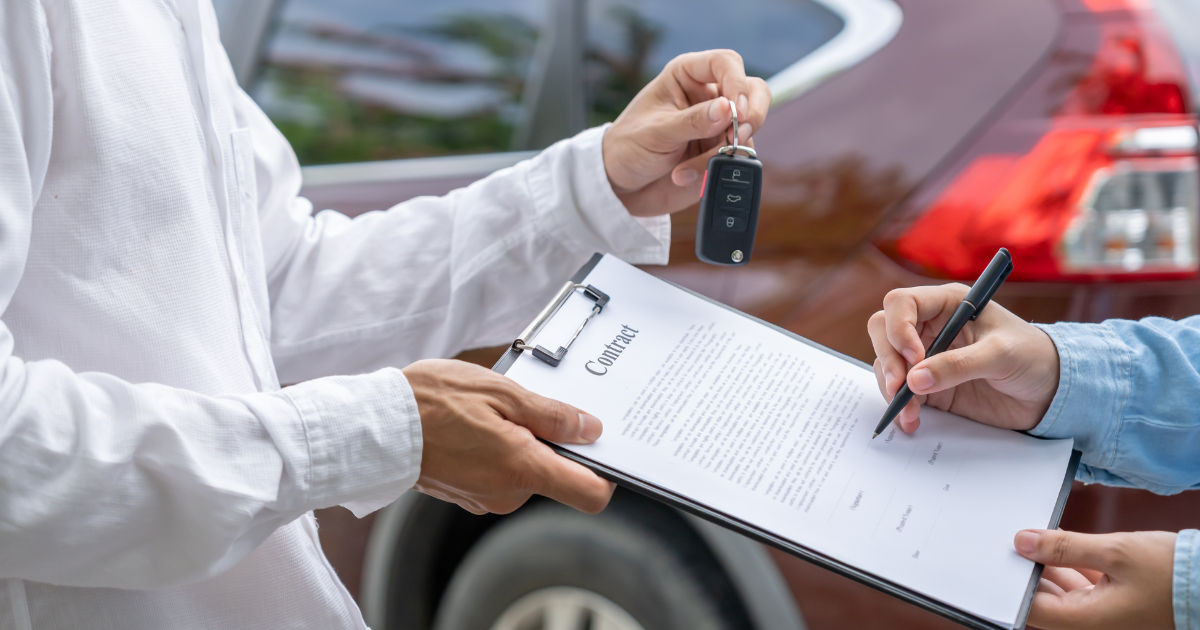
If you are thinking about how to sell my car in Sydney with mechanical issues, you’re not alone. Many car owners face situations where their vehicle has broken down, is too old, or has costly repairs pending. Selling a car in this condition can seem challenging, but with the right approach, you can get a fair price and complete the sale quickly. This guide will provide step-by-step insights into selling your car with mechanical issues, including the options available, preparation tips, legal obligations, and ways to maximize your return.
Your Options
When you want to sell my car in Sydney with mechanical problems, there are several options available. Each option comes with pros and cons, and your choice depends on how fast you want to sell and how much money you hope to get.
1. Selling to a Car Buyer or Dealer
One of the easiest ways to sell a car with mechanical issues is to approach professional car buyers or dealerships. These buyers often purchase cars “as-is,” meaning they accept vehicles in any condition.
Advantages:
-
Quick and hassle-free transaction.
-
No need to spend money on repairs.
-
Immediate cash or bank transfer.
Disadvantages:
-
May offer lower prices than private sales.
-
You might need to negotiate to get a fair value.
Many dealerships have specialized programs for buying cars with faults or mechanical failures. By using these services, you can avoid the stress of listing, advertising, and negotiating with individual buyers.
2. Selling to Scrap or Salvage Yards
If your car is severely damaged or the cost of repairs exceeds its value, selling it to a scrap or salvage yard is another option. They typically buy vehicles for parts or recycling.
Advantages:
-
Fast process, often within 24 hours.
-
Good option for non-running vehicles.
-
Some yards offer free towing services.
Disadvantages:
-
Lower price compared to selling for reuse or repair.
-
Limited negotiation options.
This option is ideal if your car has major mechanical failures, accident damage, or simply won’t run anymore. Salvage yards are always in need of vehicles for parts, so even broken cars have value.
3. Private Sale
Selling privately can often get you a higher price than selling to a dealer or scrap yard. However, it’s more challenging when your car has mechanical issues. You must be honest about the condition and provide all details about repairs needed.
Advantages:
-
Potentially higher sale price.
-
Flexibility in negotiating with buyers.
-
Ability to sell to someone who wants a project car.
Disadvantages:
-
Takes time to find the right buyer.
-
Requires effort in advertising and showing the car.
-
Buyers may be hesitant due to mechanical problems.
If you choose this route, be prepared to answer questions about the car’s issues and provide accurate descriptions in your advertisements.
Preparing Your Car for Sale
Even with mechanical issues, preparing your car properly can significantly impact the selling price. Buyers are more likely to make an offer if the car is clean, organized, and all documents are ready.
1. Clean Your Car Inside and Out
First impressions matter. Clean your car thoroughly, both inside and outside. Remove any personal items, vacuum the interior, and wash the exterior. A clean car shows that you’ve cared for it, even if it has mechanical problems.
2. Gather Important Documents
Having all necessary documents ready speeds up the sale and builds buyer trust. These documents include:
-
Vehicle registration papers
-
Service and maintenance records
-
Proof of ownership
-
Roadworthy certificate (if available)
Even if the car has issues, documentation can reassure buyers about its history and legality.
3. Understand Your Car’s Value
Before selling, research your car’s current market value. Check online car marketplaces, classified ads, and dealership quotes. Factor in the mechanical issues to adjust the expected price. Understanding your car’s worth prevents you from undervaluing or overpricing it.
4. Consider Minor Repairs
Sometimes, small, inexpensive repairs can make a big difference in the selling price. Fixing minor issues like broken lights, a dead battery, or low fluids can increase buyer confidence and attract better offers.
However, avoid spending a fortune on repairs for major problems, as this may not be cost-effective.
Advertising Your Car
When you decide to sell my car in Sydney with mechanical issues, effective advertising is key. Honesty is essential, but presenting your car in the best light can attract serious buyers.
1. Use Online Platforms
Online marketplaces like Carsales, Gumtree, Facebook Marketplace, and eBay Motors are popular in Sydney. Include:
-
Clear photos from multiple angles
-
Detailed description of mechanical issues
-
Price expectations or “negotiable” status
-
Contact information
2. Highlight Key Features
Even if the car has problems, mention the positive aspects:
-
Fuel efficiency
-
Low mileage
-
New tires or brakes
-
Additional features like air conditioning, audio system, or GPS
Highlighting these features can help offset concerns about mechanical faults.
3. Be Transparent About Mechanical Issues
Never hide mechanical problems. Most buyers will get a professional inspection, and dishonesty can lead to disputes or legal issues. Clearly list issues like engine problems, transmission failures, or suspension issues.
Transparency builds trust and ensures a smoother sale process.
Negotiating with Buyers
Negotiation is a crucial step when selling a car with mechanical problems. Buyers may try to lower the price, knowing repairs are needed. Here’s how to handle it:
1. Set a Realistic Price
Based on your research, set a fair price considering the car’s condition. Account for repair costs, market value, and urgency to sell.
2. Be Prepared for Offers
Expect lowball offers. Decide in advance the minimum amount you’re willing to accept. Being firm but flexible can help reach an agreement quickly.
3. Offer Transparency and Proof
Show service records, provide inspection reports, and answer questions honestly. This builds confidence and can justify a higher price.
Handling Legal Requirements
Selling a car in Sydney involves certain legal responsibilities. Ensuring all obligations are met protects you from future liability.
1. Transfer of Ownership
You must complete the ownership transfer at the Roads and Maritime Services (RMS) or online through Service NSW. This ensures the buyer is legally responsible for the vehicle after the sale.
2. Provide a Receipt
Issue a receipt that includes:
-
Vehicle details (make, model, registration number)
-
Sale price
-
Date of sale
-
Buyer and seller details
This document protects both parties in case of disputes.
3. Cancel Your Insurance
Once the car is sold, contact your insurance provider to cancel or transfer the policy. This prevents future charges and legal issues.
Tips to Maximize Your Sale
Even if your car has mechanical issues, there are ways to get the best value:
-
Sell quickly: Buyers often pay more for cars they can drive home immediately.
-
Choose the right buyer: Some buyers specialize in repairing broken cars; they may offer more.
-
Highlight potential: Some buyers see value in project cars or parts.
-
Be honest: Full disclosure avoids legal problems and builds trust.
Common Challenges and How to Overcome Them
Selling a car with mechanical problems comes with challenges. Here’s how to handle them:
1. Buyer Hesitation
Many buyers are wary of cars with issues. Overcome this by providing inspection reports, being transparent, and offering reasonable prices.
2. Low Offers
Expect lower offers due to repair costs. Negotiate firmly, but consider the convenience of a quick sale versus holding out for a slightly higher price.
3. Time Constraints
Private sales can take time. If you need to sell quickly, prioritize dealerships or car buyers who purchase as-is.
4. Cost of Towing
If your car isn’t drivable, arrange towing in advance. Many buyers, especially scrap yards, may offer free towing.
When to Consider Scrapping the Car
If the cost of repairs exceeds the car’s value or it’s no longer roadworthy, scrapping may be the best option. Selling for parts or metal can provide cash quickly, with minimal effort. Even damaged cars have value in Sydney’s used parts market.
Conclusion
Selling a car with mechanical issues in Sydney doesn’t have to be stressful. By understanding your options, preparing your vehicle, advertising effectively, and handling negotiations and legal requirements, you can achieve a successful sale. Whether you choose to sell to a dealer, private buyer, or scrap yard, transparency and preparation are key.
Remember, even a car with problems has value. By following this comprehensive guide, you can confidently sell my car in Sydney, get a fair price, and move on to your next vehicle.
Selling a car with mechanical issues may seem daunting, but with patience, research, and the right approach, it’s entirely achievable. Act wisely, be honest, and choose the best method that suits your needs.