
Telehealth is rapidly transforming the way healthcare services are delivered, and it has become a vital resource for individuals seeking drug and alcohol outpatient treatment.
This modern approach allows patients to access care from the comfort of their homes while maintaining a consistent connection with medical professionals.
Telehealth has proven to be a flexible, accessible, and effective tool for outpatient care, especially for those managing recovery from substance use disorders.
With increasing demand for accessible treatment options, telehealth provides a practical solution for patients who might face barriers such as distance, transportation, or scheduling conflicts.
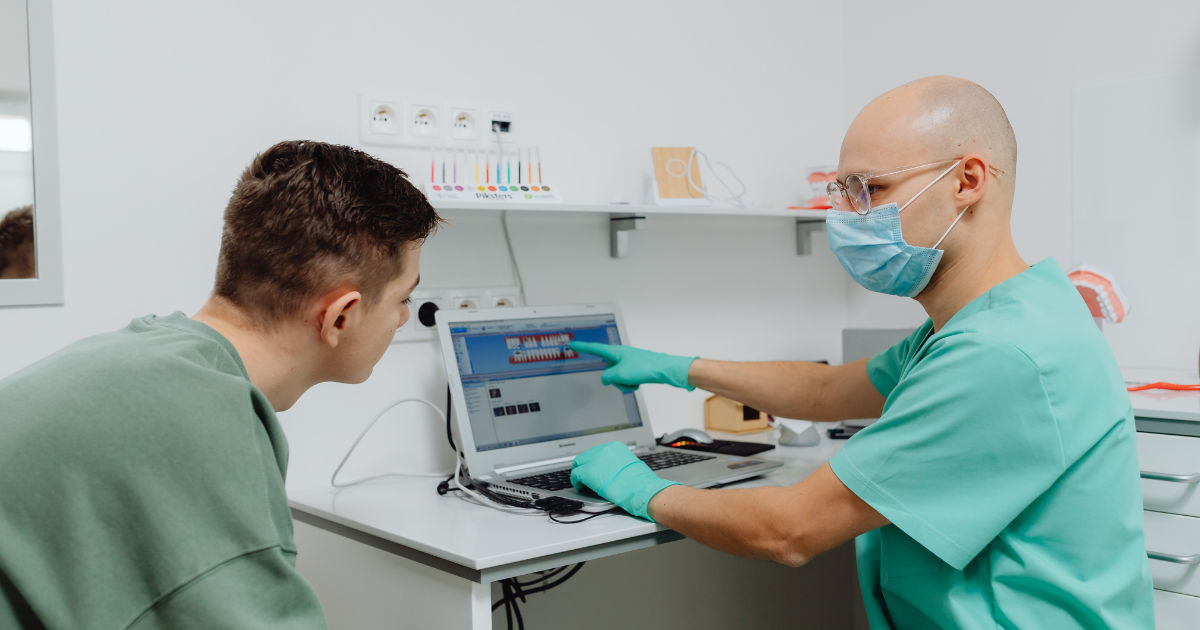
In drug and alcohol outpatient treatment, consistent engagement with healthcare providers is crucial. Telehealth ensures that patients receive regular counseling, monitoring, and support without interruption.
By integrating technology into outpatient programs, telehealth also reduces the stigma often associated with visiting treatment centers.
Many patients feel more comfortable engaging in therapy from their own homes, which can encourage honesty, openness, and consistent participation in treatment plans.
The Role of Telehealth in Outpatient Treatment
Telehealth encompasses a range of services delivered through video calls, phone consultations, mobile applications, and online platforms. For individuals in drug and alcohol outpatient treatment, telehealth can provide:
-
Remote therapy sessions: Patients can attend individual or group counseling without physically visiting a clinic.
-
Medication management: Providers can monitor prescriptions, adjust dosages, and check patient adherence.
-
Behavioral monitoring: Telehealth platforms often include tools to track progress, mood, and cravings.
-
Education and resources: Patients gain access to educational content, coping strategies, and peer support networks online.
These services make it easier for patients to stay engaged in their treatment plans and receive personalized care tailored to their specific needs.
Benefits of Telehealth for Drug and Alcohol Outpatient Treatment
Telehealth brings numerous benefits to patients undergoing drug and alcohol outpatient treatment, including accessibility, convenience, and improved patient outcomes.
Increased Accessibility
Many patients face challenges in attending traditional outpatient programs. Transportation issues, work schedules, family obligations, or living in remote areas can prevent consistent participation. Telehealth eliminates these barriers by allowing patients to connect with their care providers from anywhere with an internet connection.
Accessibility also extends to those with physical disabilities or medical conditions that make travel difficult. By removing logistical challenges, telehealth ensures patients can receive uninterrupted care, which is critical for maintaining long-term recovery.
Enhanced Privacy and Comfort
Attending a physical treatment center can be intimidating for some individuals due to stigma or anxiety about being recognized. Telehealth offers a discreet and private alternative. Patients can participate in sessions from their homes, allowing them to speak openly and honestly about their experiences.
This comfort can improve engagement in therapy and adherence to treatment plans, both of which are essential for successful drug and alcohol outpatient treatment outcomes.
Flexible Scheduling
Traditional outpatient treatment often requires strict schedules, which may conflict with work, school, or family responsibilities. Telehealth provides flexible scheduling options, including evening or weekend appointments, making it easier for patients to integrate treatment into their daily lives.
Flexibility also encourages consistency, as patients are more likely to attend sessions when they fit comfortably into their routines. Regular attendance is linked to better recovery outcomes and reduced relapse risk.
Cost-Effectiveness
Telehealth can also reduce the cost of treatment. Patients save money on transportation, parking, and time off work. Additionally, providers can offer efficient care to more patients through telehealth platforms, which may reduce overall program costs. This makes drug and alcohol outpatient treatment more accessible to individuals who might otherwise struggle with affordability.
Improved Patient Monitoring
Modern telehealth platforms allow providers to track patient progress in real-time. Patients can log their moods, cravings, medication adherence, and other critical data. Providers can then analyze this information to adjust treatment plans proactively.
This level of monitoring enhances the effectiveness of outpatient treatment programs and helps identify potential relapse risks early, allowing timely interventions.
Telehealth Tools and Technologies
Several technologies are used to deliver effective outpatient care for patients struggling with substance use disorders.
Video Conferencing
Video conferencing is the primary tool for telehealth therapy sessions. Platforms such as Zoom, Doxy.me, and HIPAA-compliant software allow secure, face-to-face interactions between patients and providers. Video calls facilitate personal connection and allow providers to assess body language, tone, and emotional state.
Mobile Applications
Mobile apps designed for recovery support offer a variety of features, including:
-
Daily check-ins and progress tracking
-
Reminders for therapy sessions and medication
-
Access to educational content
-
Peer support networks and community forums
Apps are particularly useful for patients in drug and alcohol outpatient treatment, as they provide continuous support outside scheduled appointments.
Remote Monitoring Devices
Some telehealth programs use wearable devices to monitor vital signs, sleep patterns, or physical activity. While more common in chronic disease management, these devices can also support recovery by tracking health trends and alerting providers to potential issues.
Secure Messaging
Secure messaging platforms allow patients to communicate with their providers between sessions. This ensures that patients can ask questions, report concerns, or receive encouragement whenever needed. Timely communication is critical for preventing relapse and maintaining engagement in drug and alcohol outpatient treatment programs.
Telehealth Therapy Approaches
Telehealth supports a variety of therapy approaches tailored to the needs of individuals in outpatient treatment.
Cognitive Behavioral Therapy (CBT)
CBT is widely used in substance use treatment to help patients identify negative thought patterns and develop healthier coping mechanisms. Telehealth allows CBT sessions to be delivered remotely, maintaining consistency and effectiveness.
Motivational Interviewing
Motivational interviewing focuses on enhancing patients’ motivation to change. Through telehealth, providers can guide patients in goal-setting, self-reflection, and strategies for overcoming resistance to treatment.
Group Therapy
Group therapy provides peer support and shared experiences, which are essential in drug and alcohol outpatient treatment. Telehealth platforms make it possible for patients to participate in virtual group sessions, fostering a sense of community without geographical limitations.
Family Therapy
Family involvement is often crucial in recovery. Telehealth allows family members to join sessions from different locations, enabling comprehensive support and improving treatment outcomes.
Addressing Challenges in Telehealth for Outpatient Treatment
While telehealth offers numerous benefits, there are challenges that need to be addressed for it to be fully effective in drug and alcohol outpatient treatment.
Technology Access and Literacy
Not all patients have access to reliable internet or digital devices. Some may also struggle with using telehealth platforms. Providers can mitigate this by offering guidance, tutorials, and alternative methods such as phone sessions when needed.
Privacy Concerns
Maintaining patient confidentiality is critical. Providers must use HIPAA-compliant platforms and educate patients on safe practices, such as conducting sessions in private spaces and securing devices.
Limited Physical Assessment
Telehealth cannot replace certain in-person evaluations, such as medical examinations or laboratory tests. Hybrid models, combining telehealth with periodic in-person visits, can overcome this limitation.
Engagement and Accountability
Some patients may feel less motivated to engage in virtual sessions compared to in-person visits. Providers can use interactive tools, progress tracking, and regular check-ins to enhance engagement and accountability.
Case Studies and Evidence of Telehealth Effectiveness
Several studies demonstrate the effectiveness of telehealth in supporting outpatient treatment for substance use disorders.
-
A 2021 study published in the Journal of Substance Abuse Treatment found that patients using telehealth for outpatient therapy had similar, and sometimes better, retention rates compared to traditional in-person programs.
-
Another study highlighted that telehealth increased access for rural populations, allowing patients who previously could not attend in-person sessions to receive consistent care.
-
Patients reported high satisfaction with telehealth services, citing convenience, privacy, and reduced stigma as key benefits.
These findings suggest that telehealth is not just a temporary solution but a sustainable option for delivering high-quality drug and alcohol outpatient treatment.
Integrating Telehealth into Outpatient Programs
Successful integration of telehealth into outpatient treatment programs requires careful planning and a patient-centered approach.
Staff Training
Providers must be trained in delivering effective virtual care. This includes learning to engage patients remotely, use telehealth technologies, and manage any technical issues.
Clear Communication
Patients should understand how telehealth sessions work, including scheduling, platform use, and privacy measures. Clear communication builds trust and encourages participation.
Hybrid Models
Combining in-person visits with telehealth sessions can maximize the benefits of both approaches. Periodic physical assessments, group therapy, and medication management can occur in-person, while routine counseling and check-ins happen virtually.
Continuous Evaluation
Telehealth programs should include ongoing evaluation of patient outcomes, satisfaction, and engagement. Feedback can guide improvements and ensure the highest quality of care.
Future of Telehealth in Outpatient Treatment
Telehealth is likely to play an increasingly important role in drug and alcohol outpatient treatment in the coming years. Emerging technologies such as artificial intelligence, virtual reality, and wearable monitoring devices may further enhance the effectiveness of remote care.
AI-driven platforms can provide personalized treatment recommendations, predictive relapse alerts, and adaptive therapy exercises. Virtual reality can simulate high-risk situations to help patients practice coping strategies safely. Wearable devices can monitor physiological signals that indicate stress, cravings, or potential relapse, allowing proactive intervention.
As technology advances, telehealth may become an integral part of comprehensive outpatient programs, expanding access, improving outcomes, and reducing the stigma associated with substance use treatment.
Conclusion
Telehealth has transformed the landscape of drug and alcohol outpatient treatment by making care more accessible, flexible, and patient-centered. It allows individuals to receive therapy, medication management, and support without the barriers of distance, transportation, or stigma.
By incorporating video conferencing, mobile applications, remote monitoring, and secure messaging, telehealth ensures patients remain engaged in their treatment plans. Flexible scheduling, privacy, and cost savings further enhance the appeal and effectiveness of telehealth services.
While challenges such as technology access, privacy concerns, and limited physical assessments exist, hybrid models and proper planning can overcome these obstacles. Evidence from research and case studies demonstrates that telehealth is not only feasible but often equally or more effective than traditional outpatient approaches.
Looking ahead, telehealth is poised to play an increasingly central role in substance use treatment. With ongoing innovation and integration, it will continue to support patients on their recovery journey, providing the care, connection, and guidance needed for long-term success.
In conclusion, for anyone seeking consistent, effective, and accessible drug and alcohol outpatient treatment, telehealth offers a transformative solution that bridges the gap between patients and the care they need.