
Travel delays are one of the most common and frustrating problems people face while traveling. Flights get postponed, connections are missed, and carefully planned schedules fall apart.
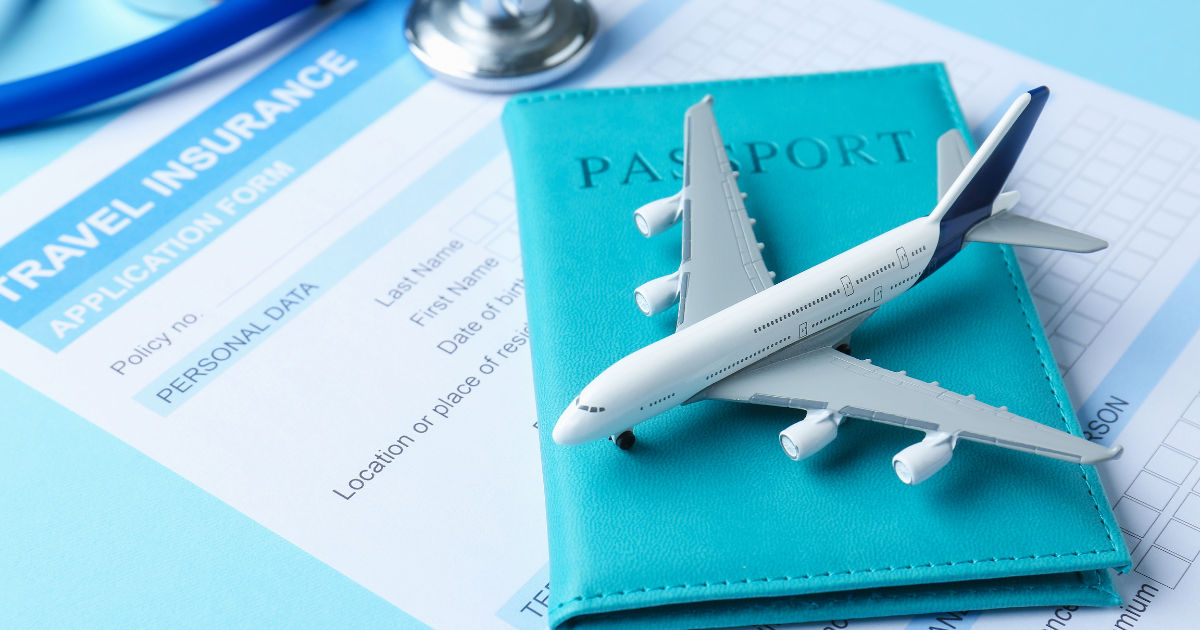
This is where best travel insurance plans become extremely important. Trip delay coverage helps travelers manage unexpected costs and stress caused by delays.
In this guide, we will clearly explain how trip delay insurance works, what it covers, and how best travel insurance plans protect you during uncertain travel situations.
Travel insurance is not just for emergencies. It is also about convenience, peace of mind, and financial safety.
When you understand trip delay coverage in best travel insurance plans, you can travel with confidence, knowing you are prepared for the unexpected.
Understanding trip delay insurance coverage
Trip delay insurance is a specific benefit included in many best travel insurance plans. It provides reimbursement for additional expenses when your trip is delayed beyond a certain number of hours. These delays are usually caused by reasons outside your control.
Covered reasons often include severe weather, airline mechanical issues, labor strikes, and natural disasters. Some plans also cover delays due to missed connections. Understanding what qualifies as a covered delay is the first step in choosing from the best travel insurance plans.
Trip delay coverage is not the same as trip cancellation coverage. It applies when your trip is delayed but not canceled. This distinction is important when comparing best travel insurance plans.
Why trip delays happen so often
Trip delays happen more frequently than most travelers expect. Weather is one of the biggest causes. Storms, fog, snow, and hurricanes can ground flights for hours or even days. Airline staffing shortages and technical issues also lead to delays.
Busy airports and air traffic congestion add to the problem. Even international travel can face border delays or security-related slowdowns. Because delays are so common, best travel insurance plans include trip delay protection as a standard or optional feature.
Understanding the causes helps travelers appreciate the value of trip delay coverage in best travel insurance plans.
How trip delay coverage works
Trip delay coverage usually starts after a minimum delay period. This period may range from three to twelve hours, depending on the policy. Once the delay exceeds the stated time, best travel insurance plans begin reimbursing eligible expenses.
Reimbursement typically covers reasonable costs such as meals, hotel stays, transportation, and essential personal items. These expenses must be necessary due to the delay. Luxury expenses are usually not covered under best travel insurance plans.
Travelers must keep receipts and documentation to file a successful claim. Knowing how the process works ensures you fully benefit from best travel insurance plans.
Expenses covered under trip delay insurance
Trip delay insurance covers specific out-of-pocket expenses. These expenses arise directly from the delay and are considered necessary.
Common covered expenses include meals at restaurants, overnight accommodations, taxi or rideshare services, and airport transfers. Some best travel insurance plans also reimburse costs for toiletries, clothing, and phone chargers if luggage is inaccessible.
There are daily and total coverage limits. For example, a plan may offer a set amount per day with a maximum cap. Comparing these limits helps travelers identify best travel insurance plans that match their travel needs.
What trip delay insurance does not cover
Understanding exclusions is just as important as knowing coverage. Trip delay insurance does not cover every situation. Delays caused by personal decisions, lack of travel documents, or pre-existing conditions may be excluded.
Some best travel insurance plans exclude delays caused by known events at the time of booking. For example, if a storm is already forecasted, related delays may not be covered.
Additionally, expenses considered unnecessary or excessive are usually denied. Reading the fine print of best travel insurance plans helps avoid surprises during claims.
Minimum delay period explained
Every trip delay benefit has a minimum delay requirement. This is the amount of time your trip must be delayed before coverage applies. It may be three hours, six hours, or longer.
Shorter minimum delay periods are generally found in best travel insurance plans. These plans offer faster access to benefits, which is especially useful for short trips.
When comparing policies, travelers should pay attention to the delay threshold. A shorter waiting time increases the usefulness of best travel insurance plans.
Daily and total reimbursement limits
Trip delay coverage includes financial limits. These limits define how much the insurer will pay per day and for the entire delay period.
For example, some best travel insurance plans offer $150 per day with a maximum of $500. Others may offer higher limits, especially premium plans.
Travelers taking long or expensive trips should choose best travel insurance plans with higher reimbursement limits to avoid out-of-pocket losses.
Documentation required for trip delay claims
Proper documentation is essential for filing a claim. Travelers must provide proof of delay, such as airline delay notices or boarding passes.
Receipts for meals, hotels, and transportation must be saved. Some best travel insurance plans also require a written explanation of the delay.
Organized documentation speeds up claim processing and increases approval chances under best travel insurance plans.
Trip delay vs trip interruption coverage
Trip delay coverage and trip interruption coverage serve different purposes. Trip delay coverage reimburses temporary expenses during a delay.
Trip interruption coverage applies when a trip is cut short and the traveler must return home early. Many best travel insurance plans include both benefits.
Understanding the difference helps travelers select best travel insurance plans that provide complete protection.
Domestic vs international trip delay coverage
Trip delay coverage applies to both domestic and international travel. However, international delays often involve higher expenses.
Hotels, meals, and transportation abroad can be costly. Therefore, best travel insurance plans with higher coverage limits are recommended for international travel.
Currency differences and local costs should be considered when choosing best travel insurance plans for overseas trips.
Trip delay coverage for connecting flights
Missed connections are a common cause of delays. Trip delay insurance may cover expenses caused by missed connections due to covered reasons.
Not all best travel insurance plans treat missed connections the same way. Some require a minimum layover time, while others provide broader coverage.
Travelers with complex itineraries should prioritize best travel insurance plans that clearly cover missed connections.
Credit card trip delay benefits vs travel insurance
Some credit cards offer trip delay protection. However, these benefits are often limited compared to best travel insurance plans.
Credit card coverage may have higher delay thresholds and lower reimbursement limits. Additionally, coverage applies only if the trip was paid for with the card.
For comprehensive protection, best travel insurance plans offer more flexibility and higher coverage levels.
How to choose the right travel insurance plan
Choosing the right plan requires understanding your travel habits. Frequent travelers may benefit from annual plans, while occasional travelers may prefer single-trip policies.
Comparing coverage limits, delay thresholds, and exclusions is essential. Best travel insurance plans balance affordability with strong trip delay benefits.
Reading customer reviews and policy details helps identify best travel insurance plans that deliver reliable protection.
Common mistakes travelers make with trip delay insurance
Many travelers assume all delays are covered, which is not true. Others fail to keep receipts, resulting in denied claims.
Some travelers choose the cheapest policy without reviewing benefits. Best travel insurance plans are not always the least expensive but offer better value.
Avoiding these mistakes ensures you fully benefit from best travel insurance plans.
Real-life examples of trip delay coverage
Imagine a traveler delayed overnight due to a snowstorm. Hotel and meal costs add up quickly. Trip delay insurance reimburses these expenses.
Another traveler misses a connection due to mechanical issues. Best travel insurance plans cover meals and transportation until the next flight.
These examples show how trip delay coverage protects travelers financially and emotionally.
Trip delay insurance for families and groups
Families and groups face higher expenses during delays. Multiple meals and hotel rooms increase costs.
Best travel insurance plans often cover each insured traveler separately, increasing total reimbursement.
Families should look for best travel insurance plans with generous limits to manage group travel delays.
Seasonal travel and trip delays
Holiday seasons and peak travel periods increase the risk of delays. Weather and overcrowding are common during these times.
Choosing best travel insurance plans before traveling during busy seasons reduces stress.
Seasonal travelers benefit the most from strong trip delay coverage in best travel insurance plans.
Filing a trip delay claim step by step
First, confirm that the delay meets the minimum requirement. Then gather all required documents.
Submit the claim online or through the insurer’s app. Best travel insurance plans often offer easy digital claim processes.
Follow up if needed and keep copies of all submissions.
How long does reimbursement take
Claim processing times vary. Some insurers process claims within days, while others take weeks.
Best travel insurance plans are known for faster reimbursement and clear communication.
Choosing reputable providers ensures a smoother claims experience.
Tips to maximize trip delay benefits
Always carry essential items in your carry-on bag. Keep digital and paper copies of travel documents.
Choose best travel insurance plans with low delay thresholds and high reimbursement limits.
Understanding your policy before travel ensures you know how to act during delays.
The future of trip delay insurance
Travel insurance continues to evolve. Digital claims, real-time delay tracking, and faster payouts are becoming common.
Best travel insurance plans are adapting to traveler needs with flexible and transparent coverage.
Future plans may offer even more traveler-friendly trip delay benefits.
Conclusion
Trip delays are unavoidable in modern travel, but financial loss and stress do not have to be. Understanding trip delay coverage empowers travelers to make informed decisions. Best travel insurance plans provide protection against unexpected expenses, ensuring comfort and security during delays.
From meals and hotels to transportation and essentials, trip delay insurance covers what matters most when plans change. By choosing from the best travel insurance plans, travelers gain peace of mind and confidence. Careful comparison, attention to coverage limits, and awareness of exclusions help travelers select the right policy.
In the end, travel should be about experiences, not worries. With the right coverage, best travel insurance plans turn delays into manageable inconveniences rather than costly disruptions.