
A wedding is one of the most memorable and significant events in a person’s life. To ensure that every detail is flawless, many couples turn to a wedding event planner.
A wedding event planner is not just a coordinator; they are the driving force behind turning a couple’s vision into reality.
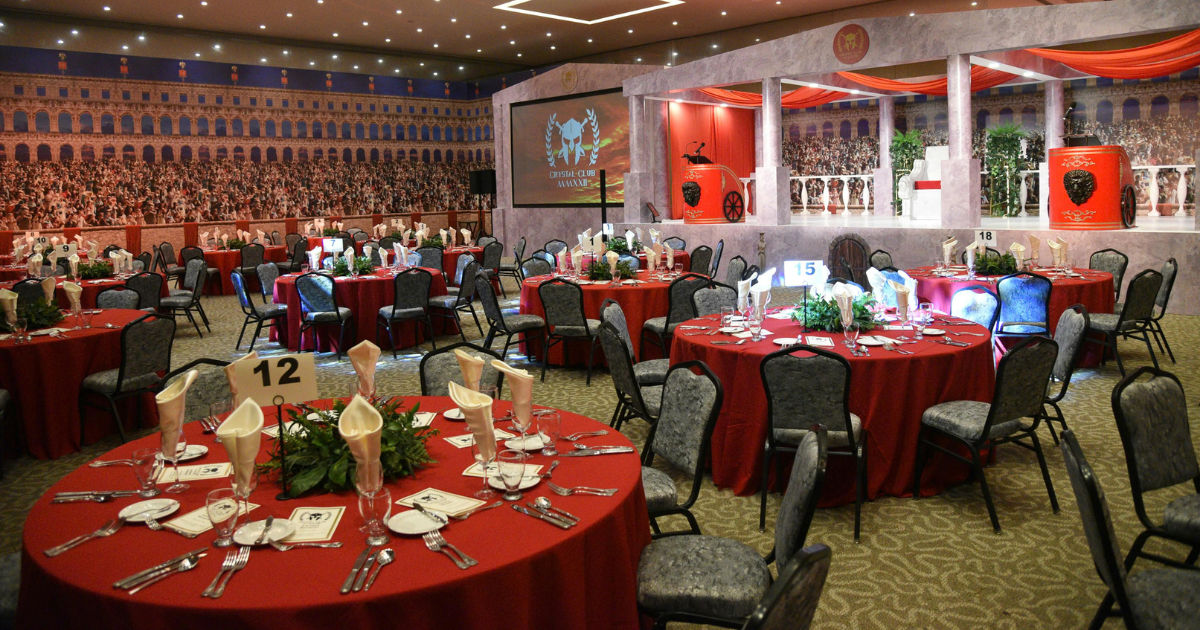
Understanding the planning process of a wedding event planner can help couples appreciate the effort, creativity, and organization that goes into orchestrating a perfect celebration.
From the initial consultation to the final send-off, a wedding event planner carefully manages every aspect, ensuring that the wedding day is seamless and stress-free.
This guide explores the entire planning process, providing a detailed look at how professional planners make dream weddings come true.
Initial Consultation and Understanding Client Vision
The first step in the wedding planning process is the initial consultation. During this stage, a wedding event planner meets with the couple to understand their needs, desires, and expectations. This meeting usually involves discussions about:
-
The overall theme of the wedding
-
Budget considerations
-
Guest count and venue options
-
Personal preferences for style, color palettes, and decor
This consultation is crucial because it helps the planner grasp the couple’s personality, relationship dynamics, and what they envision for their big day. A successful wedding event planner knows that every wedding is unique and takes time to listen carefully to the couple’s story.
During this stage, planners also provide insight into what is realistically achievable within the given budget and timeline. They may suggest ideas that the couple hadn’t considered, such as unique venues, entertainment options, or personalized touches.
Budget Planning and Allocation
Once the vision is clear, a wedding event planner moves on to budgeting. This step involves creating a detailed financial plan that allocates funds to different wedding elements such as:
-
Venue rental
-
Catering services
-
Photography and videography
-
Floral arrangements and decorations
-
Entertainment and music
-
Attire for the couple and wedding party
A skilled wedding event planner ensures that every dollar is used efficiently. They help couples prioritize spending, recommending where to splurge and where to save. Budgeting also includes contingency planning for unexpected costs, which is essential to prevent last-minute stress.
The planner may use spreadsheets or specialized wedding planning software to track expenses. This ensures transparency, allowing the couple to see where their money is going while keeping the project organized.
Selecting and Securing the Venue
Choosing a venue is one of the most critical decisions in wedding planning. The venue sets the tone for the entire event, and a wedding event planner guides couples through this decision with careful consideration of:
-
Location and accessibility for guests
-
Capacity to accommodate the expected number of attendees
-
Available services and amenities
-
Restrictions on decorations, noise, or timing
A planner often has established relationships with multiple venues, which can provide the couple with insider knowledge, discounts, or preferred booking times. After the venue is chosen, the planner assists with securing it, handling contracts, deposits, and scheduling.
This step also includes planning for outdoor or backup options in case of inclement weather and ensuring that the venue aligns with the wedding theme and style.
Vendor Selection and Coordination
No wedding can happen without vendors. A wedding event planner carefully selects vendors for catering, photography, florists, entertainment, makeup artists, and transportation. This involves:
-
Researching reputable vendors
-
Negotiating contracts and pricing
-
Coordinating schedules to ensure all services align with the wedding timeline
Planners often have trusted vendor lists from past events, which saves the couple time and reduces stress. They also handle all communications with vendors, serving as a liaison to prevent miscommunications.
The planner ensures that all vendors understand the couple’s vision and work together seamlessly. This coordination includes menu tastings, floral arrangements, rehearsal dinners, and even transportation logistics for guests.
Designing the Wedding Theme and Decor
Design is a critical part of a wedding, and a wedding event planner takes the lead in translating the couple’s ideas into reality. This step involves:
-
Choosing a cohesive color palette
-
Selecting floral arrangements, table settings, and furniture
-
Designing invitations and stationery
-
Coordinating lighting, music, and other ambiance elements
Planners may create mood boards or digital renderings to help couples visualize their wedding. Every detail, from the placement of chairs to the centerpiece design, is carefully planned. The goal is to create an atmosphere that reflects the couple’s style and personality while leaving a lasting impression on guests.
Timeline and Logistics Management
A wedding involves countless moving parts, and a wedding event planner is responsible for creating a comprehensive timeline. This timeline includes:
-
Preparation and setup times
-
Ceremony schedule
-
Reception flow
-
Vendor arrivals and departures
-
Transportation schedules
Proper time management ensures that the wedding day flows smoothly. The planner anticipates potential delays and develops contingency plans, such as backup lighting options, extra seating, or alternative vendor arrangements.
Logistics also involve managing guest accommodations, parking, transportation, and even coordinating with the officiant. Every detail is considered to minimize stress and ensure that the couple can enjoy their day.
Guest Management and Communication
A wedding event planner also takes responsibility for guest management. This includes sending invitations, tracking RSVPs, and ensuring that dietary needs or special requests are accommodated.
Some planners even create guest itineraries, including:
-
Arrival and departure times
-
Transportation arrangements
-
Event schedules
Clear communication is key to a smooth guest experience. By handling these details, the planner allows the couple to focus on enjoying their day rather than worrying about logistics.
Ceremony and Reception Planning
The heart of a wedding lies in the ceremony and reception. A wedding event planner meticulously plans both, ensuring that they reflect the couple’s preferences. For the ceremony, the planner coordinates:
-
Processional and recessional order
-
Music and readings
-
Seating arrangements
For the reception, they manage:
-
Dinner service
-
Toasts and speeches
-
Entertainment schedules
-
Dance floor timing and lighting
By orchestrating every aspect of these events, planners guarantee that both the couple and their guests have an unforgettable experience.
Day-of Coordination
Even the most detailed plans require supervision on the wedding day. A wedding event planner oversees the execution of all arrangements, ensuring that everything goes according to plan. This includes:
-
Setting up decor and seating arrangements
-
Managing vendor arrivals and setup
-
Handling last-minute emergencies or changes
Planners act as the point of contact for all parties involved, solving problems quietly and efficiently. Their presence allows the couple to focus on celebrating rather than troubleshooting.
Post-Wedding Services
The work of a wedding event planner often extends beyond the wedding day. Post-wedding services may include:
-
Ensuring the return of rented items
-
Collecting final vendor payments
-
Organizing thank-you cards and gifts
-
Assisting with the delivery of photos and videos
These services provide closure and ensure that everything related to the wedding is finalized professionally and efficiently.
Tips for Choosing the Right Wedding Event Planner
Choosing the right planner is crucial. Couples should consider the following when making their decision:
-
Experience and portfolio
-
Reviews and references from previous clients
-
Communication style and compatibility
-
Fee structure and services included
A good wedding event planner not only has experience but also understands the emotional significance of the day. They act as a trusted partner, offering guidance and support throughout the planning journey.
Conclusion
The process managed by a wedding event planner is intricate, detailed, and highly organized. From the first consultation to post-wedding tasks, planners ensure that every element aligns with the couple’s vision. Their expertise allows for seamless coordination of venues, vendors, decor, timelines, and guest management, ultimately creating a memorable and stress-free experience.
Understanding this process highlights the immense value that wedding planners bring to couples, transforming what could be a stressful event into a beautifully orchestrated celebration of love. For anyone planning a wedding, hiring a skilled wedding event planner is not just a convenience—it is an investment in memories that will last a lifetime.