
Drilling is a vital part of oil exploration and development, but it comes with high costs and risks. As drilling environments become more complex, the expenses associated with real drilling operations continue to increase. This is where drilling training simulators come into play. They are becoming more popular and provide a cost-effective way to train personnel without the dangers and expenses of actual drilling. In this article, we will discuss the costs of real drilling, the costs associated with drilling training simulations, and why simulators are a wise investment.
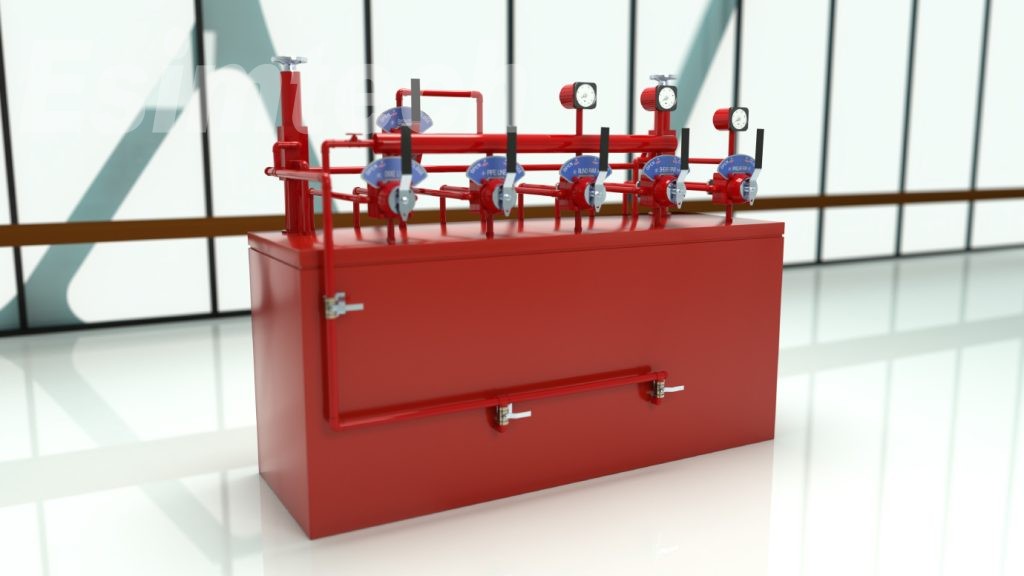
The High Costs of Real Drilling
Real drilling operations involve numerous expenses that can add up quickly. Here are some key factors that contribute to these costs:
-
Equipment Acquisition and Maintenance Costs:
Purchasing drilling equipment like rigs, top drives, and pumps is incredibly expensive. For example, a land drilling rig capable of reaching depths of 3,000 to 5,000 meters can cost millions of yuan. Additionally, the maintenance of this equipment is crucial. Harsh working conditions lead to wear and tear, necessitating regular repairs and part replacements. -
Labor Costs:
A drilling operation requires a large team, including rig operators, drillers, geologists, and engineers. Labor costs form a significant part of the overall expense. As wages continue to rise, these costs are also on the increase. -
Material Costs:
The drilling process utilizes many materials, including drilling fluids, pipes, and bits. Drill bits, in particular, need to be replaced frequently, and their quality directly affects drilling efficiency. High-performance bits can be quite costly, impacting the overall budget. -
Rig Rental Costs:
Companies that do not own their rigs must rent them, which can be a significant expense. Rig rental fees can vary widely, but in some areas, they may reach hundreds of thousands of yuan per day. -
Logistics and Transportation Costs:
Transporting heavy and bulky drilling equipment can be costly, especially if the site is remote or offshore. These logistics add another layer of expense to real drilling operations. -
Risk Costs:
Drilling is fraught with risks such as blowouts and stuck pipes, which can lead to severe financial losses. For example, equipment damage or environmental issues can incur hefty fines and additional costs. -
Time Costs:
Delays caused by equipment failures or geological challenges can result in non-productive time, further increasing expenses. The longer the drilling process takes, the higher the cumulative costs.
Understanding these factors reveals why companies are looking for alternatives to reduce costs. This is where Drilling Training Simulation comes into play.
The Costs of Drilling Training Simulations
In contrast to real drilling, drilling training simulations have their own set of costs. However, they are significantly lower and more manageable. Here are some aspects to consider:
-
Software and Hardware Acquisition Costs:
Setting up a drilling training simulation system requires purchasing specialized software and hardware. The costs can range from tens of thousands to millions of yuan, depending on the complexity and features of the system. -
Software Licensing Fees:
Many simulation programs operate on a licensing model, which requires annual fees. These can range from several thousand to tens of thousands of yuan, based on the software’s capabilities. -
Maintenance and Upgrades Costs:
Just like real drilling equipment, simulation systems require maintenance and periodic upgrades. This cost is usually lower than for physical equipment and is essential to keep the system running smoothly. -
Training Costs:
While training simulations do not have the high labor costs of real drilling, there are still expenses for trainers and technical support to assist trainees. Developing training materials can also incur costs.
When comparing these costs to those associated with real drilling, it becomes clear that Drilling Training Simulators provide a much more economical solution.
Cost Comparison Analysis
To summarize the cost differences between real drilling and drilling training simulations, let's look at a few key points:
-
Preparation Phase:
Real drilling requires a substantial upfront investment for equipment and materials. In contrast, simulation training primarily involves one-time costs for software and hardware. -
Operational Phase:
Ongoing expenses for real drilling can escalate due to unforeseen circumstances. In simulation training, costs remain relatively stable, mainly involving software licenses and maintenance. -
Risk Phase:
Real drilling carries high-risk costs, whereas simulation training eliminates these risks altogether, providing a safe learning environment. -
Long-Term Perspective:
Over time, the costs of real drilling tend to rise due to equipment depreciation and other factors. On the other hand, once a simulation system is in place, its costs remain stable or may even decrease as technology improves.
In conclusion, drilling training simulation offers substantial cost advantages over real drilling operations. It reduces both direct costs, such as equipment and labor, and indirect costs, such as risks and downtime. However, it’s important to note that simulation training cannot fully replace real drilling. A balanced approach that combines both methods can maximize efficiency and cost-effectiveness in drilling operations.
For instance, studies have shown that using computer drilling simulators can optimize drilling operations, leading to significant cost savings—approximately 15% in some cases. This indicates that investing in drilling training simulators is not just a smart financial decision, but also a strategic move to enhance drilling efficiency.
By embracing this technology, companies can not only save money but also prepare their teams to tackle the challenges of modern drilling operations.