
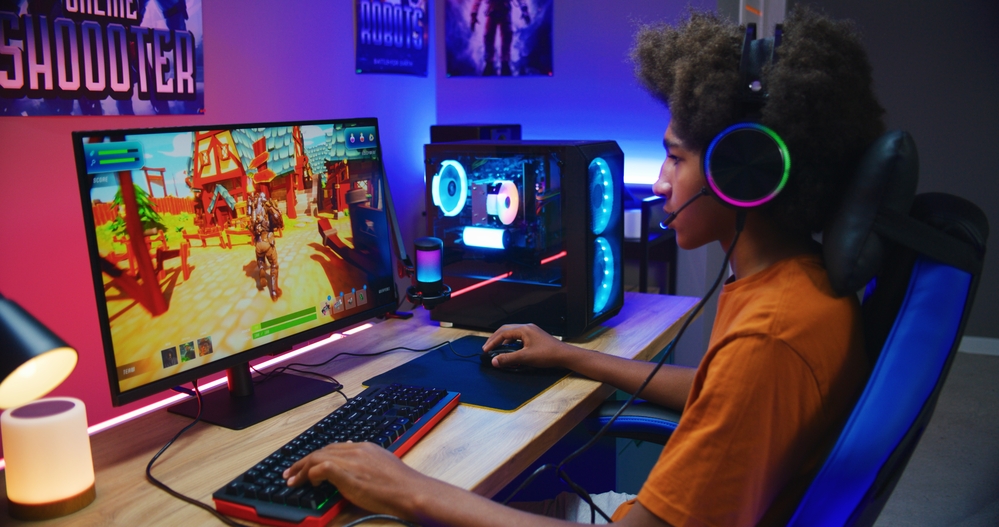
Online multiplayer gaming has evolved far beyond simpleton entertainment. Once a niche hobbyhorse, it has become a worldwide phenomenon that intertwines engineering, psychology, and social fundamental interaction. From massive multiplayer online role-playing games(MMORPGs) to militant shooters and real-time strategy games, online multiplayer environments are now rich, dynamic communities that deeply shape player conduct, individuality, and relationships. This clause explores the scientific discipline motivations behind online multiplayer gaming and its social implications in modern whole number .
The Psychological Pull: Why We Play Together
At the core of online multiplayer gaming lies a right scientific discipline draw. The feel of accomplishment, progression, and mastery that games offer taps into inner human being motivators. Games are studied with repay systems raze-ups, unlockable items, achievements that keep players occupied through a loop of take exception and gratification. However, multiplayer environments heighten this loop by adding the variable of social fundamental interaction.
The need for mixer , as explained by Self-Determination Theory(SDT), is one of the three fundamental frequency psychological needs(alongside self-direction and competency) that gambling often fulfills. In multiplayer games, players form bonds through cooperation, contender, and . Whether teaming up to nail a defiant raid or facing off in hierarchal matches, these experiences build comradery and bank, and sometimes competition, all of which mirror real-world sociable kinetics.
Another factor out is identity exploration. In online environments, players can create avatars, select roles, and behave in ways they might not in real life. This freedom allows for experimentation with personal identity and self-expression, which is particularly substantial for adolescents and young adults navigating self-concept .
The Social Fabric of Virtual Worlds
While solo gaming offers immersion, online multiplayer games thrive on . Games like World of Warcraft, Fortnite, or Valorant are not just digital battlegrounds they are mixer spaces. Guilds, clans, and teams operate as small-societies with their own hierarchies, norms, and rituals. Players often pass as much time chatting, strategizing, or plainly hanging out as they do playacting.
This mixer prospect has remarkable real-world consequences. Studies have ground that online games can enhance skills, nurture teamwork, and even support long-distance relationships. For individuals with sociable anxiousness or disabilities, online games may volunteer a less intimidating weapons platform to establish friendships and socialise.
However, not all sociable dynamics are prescribed. Toxicity, harassment, and exclusionary behaviour are permeative issues in some gambling communities. The namelessness of the cyberspace can embolden players to act in ways they would not in face-to-face fundamental interaction. Developers and moderators continue to squirm with how to foster sound and inclusive environments in their games.
Competitive Edge and Cognitive Engagement
Online multiplayer pakgame also intersects with performance psychology. Competitive games require high levels of focus, response time, plan of action mentation, and adaptability. Many players delineate entry a flow posit a mental zone of nail absorption and best performance. This psychological feature participation can raise certain skills, such as -making under hale, spacial awareness, and pattern realisation.
Esports, the professionalisation of militant play, further illustrates the science complexness of online multiplayer. Professional players often take coaching in areas like stress management, teamwork, and motive, similar to orthodox athletes.
Balancing Benefits and Risks
Despite the many positive aspects, concerns stay about immoderate play, dependency, and the touch on on unhealthy health. While online multiplayer games can tighten feelings of loneliness and ply a feel of belonging, overdrive may lead to closing off from offline relationships, disrupted sleep in patterns, and drop of responsibilities. The key lies in moderation and remindful gaming practices.
Conclusion: A New Era of Connection
Online multiplayer gambling is more than pixels on a test it s a right social weapons platform that mirrors, magnifies, and once in a while reshapes homo behavior. As engineering continues to germinate, these practical worlds will only grow more immersive and socially complex. Understanding the psychological and social kinetics behind them is essential not only for players but also for parents, educators, developers, and policymakers navigating the digital age.