
Silica Gel Packets are small items that most people notice but rarely think about. You find them inside shoe boxes, medicine bottles, electronics packaging, handbags, and even food products.
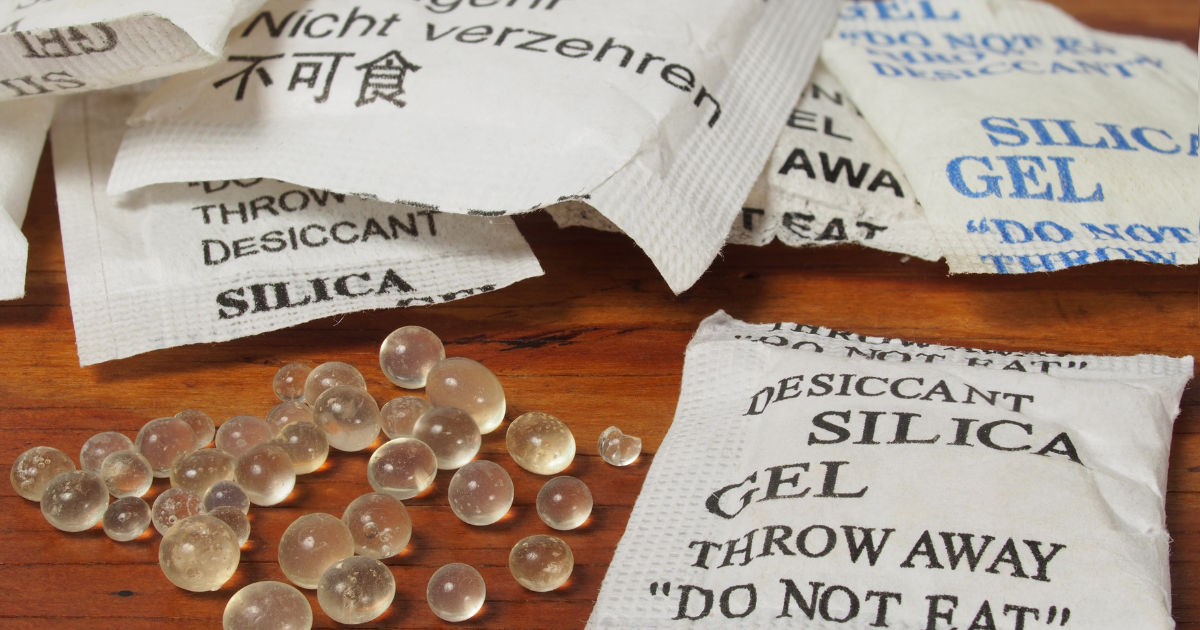
These packets usually come with a warning label that says “Do Not Eat,” which makes many people unsure about what to do with them after unpacking a product. As awareness about environmental safety and responsible waste management grows, knowing how to dispose of Silica Gel Packets properly becomes important for households, students, and businesses alike.
Silica Gel Packets are designed to absorb moisture and keep products dry, fresh, and damage-free. While they may look harmless, improper disposal can create unnecessary waste and confusion. This guide explains what Silica Gel Packets are, whether they are dangerous, and how you can safely and responsibly dispose of them. The information is written in clear, simple language so it is easy to understand and apply in everyday life.
What Are Silica Gel Packets?
Silica Gel Packets contain silica gel, a form of silicon dioxide made from sand. The gel appears as small white or transparent beads sealed inside breathable paper or plastic packets. These beads absorb moisture from the surrounding air, which helps prevent mold, rust, and spoilage.
Silica Gel Packets are commonly used because they are inexpensive, lightweight, and very effective at controlling humidity. You may find Silica Gel Packets in items such as shoes, clothing, vitamins, electronics, leather goods, and packaged food.
Despite their name, silica gel is not actually a liquid gel. It is a solid substance with many tiny pores that trap water molecules. This simple function is what makes Silica Gel Packets so useful in packaging and storage.
Are Silica Gel Packets Dangerous?
One of the most common concerns about Silica Gel Packets is safety. The warning labels often make them seem toxic or harmful. In reality, most modern Silica Gel Packets are non-toxic. The main risk comes from choking, especially for children and pets.
Silica Gel Packets should never be eaten. While the beads themselves are usually non-toxic, swallowing them can cause discomfort, dehydration, or blockage. This is why manufacturers clearly label Silica Gel Packets as inedible.
Some older or specialized Silica Gel Packets may contain indicator chemicals that change color when moisture is absorbed. These indicator beads can sometimes contain chemicals like cobalt chloride, which can be harmful. However, these types are less common in household products today.
Why Proper Disposal Matters
Proper disposal of Silica Gel Packets matters for several reasons. First, throwing them away carelessly adds to landfill waste. Second, loose packets can be mistaken for food by animals or children. Third, some packets can be reused or recycled, reducing environmental impact.
Silica Gel Packets do not break down easily in nature. While they are not classified as hazardous waste, they are still a manufactured product that should be handled responsibly. Learning how to manage Silica Gel Packets correctly helps promote safer homes and cleaner environments.
Can Silica Gel Packets Be Reused?
Before throwing Silica Gel Packets away, it is worth knowing that they can often be reused. Many people discard Silica Gel Packets without realizing their value.
Silica Gel Packets can be reused to absorb moisture in small spaces. For example, they can be placed in drawers, closets, shoe racks, gym bags, toolboxes, and storage boxes. Reusing Silica Gel Packets reduces waste and helps protect items from moisture damage.
If Silica Gel Packets become saturated with moisture, they can sometimes be reactivated. This is usually done by drying them in a warm oven for a short period. Always follow safety instructions and ensure the packets are heat-safe before attempting this method.
How to Know When Silica Gel Packets Are No Longer Useful
Silica Gel Packets work until they reach their moisture-absorbing limit. Some packets include color-changing beads that indicate when they are full. For example, beads may turn from blue to pink or from orange to green.
If Silica Gel Packets do not have indicator beads, it can be harder to tell when they are no longer effective. Signs include a damp feeling or lack of moisture control in the area where they are placed.
Once Silica Gel Packets are fully saturated and cannot be reused or dried, it is time to dispose of them properly.
How to Dispose of Silica Gel Packets in Household Trash
In most cases, Silica Gel Packets can be safely disposed of in regular household trash. They are not considered hazardous waste under normal conditions.
Before throwing Silica Gel Packets away, it is a good idea to keep them sealed inside their original packet. This prevents the beads from scattering and reduces the risk of accidental ingestion.
Place Silica Gel Packets in a sealed bag or wrap them in paper before putting them in the trash. This small step adds an extra layer of safety, especially in homes with children or pets.
Can Silica Gel Packets Be Recycled?
Recycling Silica Gel Packets can be challenging. Most curbside recycling programs do not accept them because they are made from mixed materials, including plastic or paper packaging and silica beads.
However, some specialized recycling programs or industrial facilities may accept silica gel for reuse. In certain areas, companies collect used Silica Gel Packets for drying, cleaning, and redistribution.
If you are interested in recycling Silica Gel Packets, check with local recycling centers or waste management services. They can tell you whether any programs are available in your area.
Disposing of Silica Gel Packets in Schools and Offices
Schools and offices often receive large quantities of Silica Gel Packets from supplies, equipment, and packaged materials. Proper disposal in these settings is especially important due to shared spaces and safety concerns.
Collect Silica Gel Packets in a labeled container to prevent misuse. Staff or teachers can decide whether the packets will be reused for storage or disposed of responsibly.
When disposal is necessary, follow standard waste guidelines and ensure packets are sealed and placed in appropriate trash bins.
Safe Disposal Around Children and Pets
Homes with children and pets require extra caution when handling Silica Gel Packets. These packets can look attractive or curious, increasing the risk of accidental ingestion.
Always store unused Silica Gel Packets out of reach. When disposing of them, use sealed trash bags and place them in bins with secure lids.
Educating children about what Silica Gel Packets are and why they should not be touched or eaten can also help reduce risks.
Environmental Impact of Silica Gel Packets
Silica Gel Packets are made from sand, a natural resource, but the manufacturing process still requires energy and materials. While silica gel itself is not toxic, discarded packets contribute to overall waste.
Reducing waste by reusing Silica Gel Packets whenever possible helps lower environmental impact. Responsible disposal ensures that these packets do not end up scattered in nature or waterways.
Choosing products with minimal packaging or reusable moisture control solutions can also reduce the number of Silica Gel Packets entering the waste stream.
Alternative Uses Before Disposal
Before disposing of Silica Gel Packets, consider alternative uses. These packets can be helpful in many everyday situations.
Silica Gel Packets can be placed in photo storage boxes to protect pictures from moisture damage. They can also be used in jewelry boxes to prevent tarnishing or in electronics cases to reduce humidity.
Using Silica Gel Packets creatively extends their life and reduces the need for disposal.
What Not to Do When Disposing of Silica Gel Packets
There are a few important things to avoid when disposing of Silica Gel Packets. Do not open the packets and pour the beads down the sink or toilet. This can cause plumbing issues and environmental harm.
Do not burn Silica Gel Packets, as this can release unpleasant fumes and damage the environment. Avoid composting them, as they do not break down naturally like organic materials.
Following basic disposal guidelines keeps you and the environment safe.
Disposal in Industrial and Commercial Settings
Industries that use large quantities of Silica Gel Packets may need specialized disposal methods. Warehouses, factories, and shipping centers often accumulate these packets in bulk.
In such cases, contacting a waste management company is recommended. Some companies offer silica gel recycling or safe disposal services tailored to commercial needs.
Proper documentation and handling ensure compliance with environmental and safety regulations.
Legal and Regulatory Considerations
In most regions, Silica Gel Packets are not regulated as hazardous waste. However, local waste management rules can vary.
Some areas may have guidelines for disposing of packaging materials or industrial desiccants. Checking local regulations helps ensure compliance and responsible disposal.
Understanding these rules is especially important for businesses and institutions.
Educating Others About Proper Disposal
Raising awareness about Silica Gel Packets and their disposal can make a difference. Many people throw them away without thinking or leave them lying around.
Sharing simple information with family, friends, or classmates helps promote safer habits. Schools and community groups can include disposal tips in environmental education programs.
Small actions, when shared widely, can lead to better waste management practices.
Common Myths About Silica Gel Packets
There are several myths surrounding Silica Gel Packets. One common myth is that they are highly toxic. In reality, most are non-toxic but still unsafe to eat.
Another myth is that Silica Gel Packets can be dissolved in water. They do not dissolve and should not be flushed or poured down drains.
Understanding the facts helps people make better disposal decisions.
Practical Tips for Everyday Use and Disposal
Keep a small container at home to store unused Silica Gel Packets. This makes it easier to reuse them and prevents clutter.
Label the container clearly so everyone in the household knows what it contains. When the packets are no longer useful, dispose of them all at once using safe methods.
This organized approach makes handling Silica Gel Packets simple and stress-free.
Conclusion
Silica Gel Packets are a common part of modern packaging, yet many people are unsure how to handle them after use. While they are small and often overlooked, proper disposal of Silica Gel Packets plays a role in household safety and environmental responsibility.
By understanding what Silica Gel Packets are, recognizing that most are non-toxic, and knowing when to reuse or dispose of them, you can make informed choices. Simple steps like sealing packets before throwing them away, keeping them out of reach of children and pets, and exploring reuse options can make a big difference.
Responsible disposal of Silica Gel Packets reduces waste, prevents accidents, and supports cleaner living spaces. With the information in this guide, you can confidently manage Silica Gel Packets in a safe, practical, and environmentally conscious way.