
If you are searching for the secrets behind the perfect dosa, many food lovers often visit the top restaurant in Karachi to see how professionals achieve a soft, crisp, and flavorful dosa.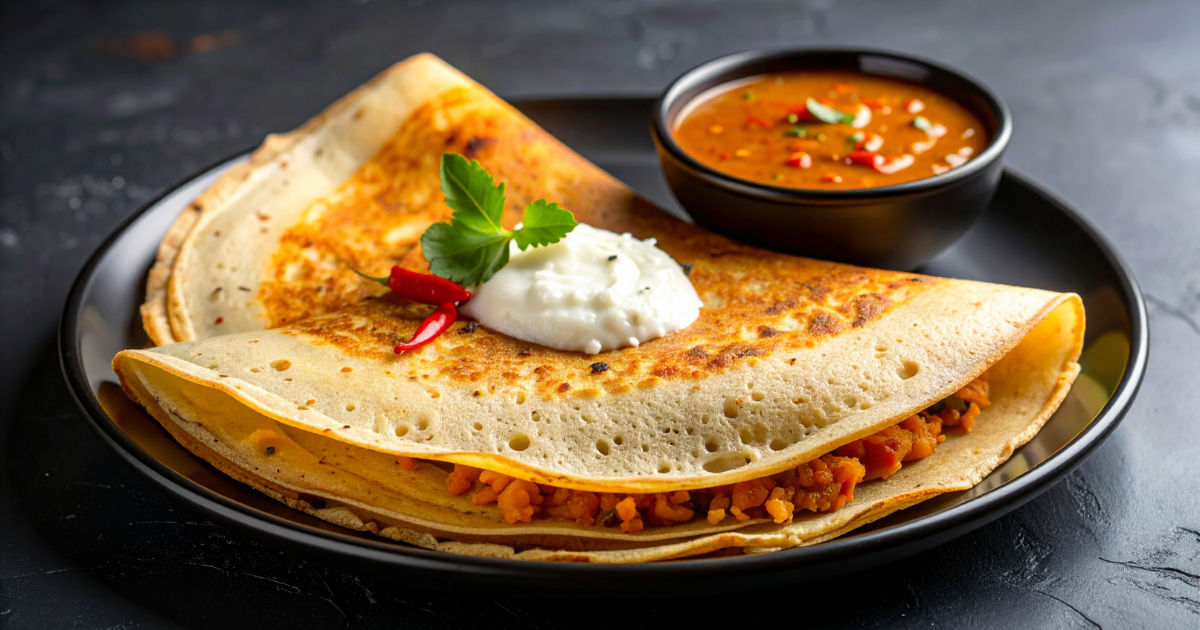
The key to a great dosa lies in the fermentation of the batter. Fermentation is a simple yet fascinating process that transforms raw rice and lentils into a batter that yields the ideal texture, taste, and aroma.
In this comprehensive guide, we will explore everything you need to know about fermenting dosa batter, step by step, so you can make restaurant-quality dosas at home.
Understanding the Science of Fermentation
Fermentation is a natural process where microorganisms like bacteria and yeast break down carbohydrates in rice and lentils. This process produces lactic acid, which not only gives dosa its characteristic tangy flavor but also softens the batter. Proper fermentation ensures that the dosa cooks evenly, has a light and airy texture, and develops the right crispiness on the edges.
The key microorganisms responsible for dosa fermentation are naturally present in the environment and in the ingredients themselves. These microbes feed on starches and sugars in the rice and lentils, creating bubbles in the batter that help achieve that soft and fluffy texture. Understanding this process is crucial because the success of dosa depends more on fermentation than on cooking techniques alone.
Choosing the Right Ingredients
The first step toward perfect dosa batter is choosing the right ingredients. Traditional dosa batter is made from rice and urad dal (split black gram). Some recipes include fenugreek seeds to aid fermentation and improve flavor. Here’s what to consider:
-
Rice: Use short-grain or parboiled rice for a smooth, soft batter. Some chefs at the top restaurant in Karachi blend a mix of raw rice and parboiled rice for the best texture.
-
Urad Dal: Split black gram with the skin removed is ideal. It ferments quickly and gives the batter a creamy consistency.
-
Fenugreek Seeds: A small amount of fenugreek seeds enhances fermentation and gives the dosa a golden color.
The quality of ingredients directly affects the batter. Always use fresh rice and lentils, and rinse them thoroughly before soaking. Avoid pre-ground flours, as they may not ferment properly.
Preparing Ingredients for Soaking
Proper soaking of rice and lentils is essential to start fermentation. Soaking hydrates the grains, softens them, and activates natural enzymes.
-
Rinse thoroughly: Wash rice and urad dal multiple times until water runs clear. This removes excess starch that can make batter sticky.
-
Soak separately: Soak rice and urad dal in separate bowls. Rice usually takes 4-6 hours, while urad dal with fenugreek seeds takes 6-8 hours.
-
Maintain water ratio: Use enough water to allow the grains to expand fully. The rice should double in size after soaking.
Soaking not only aids in fermentation but also makes the batter easier to grind. Skipping this step can result in a dense dosa that lacks the soft texture found at the top restaurant in Karachi.
Grinding the Batter
Grinding is where your dosa starts to take shape. A smooth and slightly airy batter is critical for fermentation.
-
Grind urad dal first: Use a wet grinder or high-power blender. Add water gradually to achieve a fluffy, light texture. Air incorporated during grinding helps in fermentation.
-
Grind rice separately: Rice should be ground into a slightly coarse paste. A coarse texture gives the dosa structure while maintaining softness.
-
Combine and mix: Mix both batters thoroughly, ensuring no lumps remain. Some chefs at the top restaurant in Karachi mix the batter using their hands. The warmth from hands can help initiate fermentation.
The consistency of your batter should be pourable but not too watery. It should flow slowly when poured from a ladle, allowing an even spread on the pan.
Ideal Conditions for Fermentation
Fermentation depends heavily on environmental conditions. Temperature, humidity, and even the container affect how well your dosa batter ferments.
-
Temperature: The ideal range for fermentation is between 25°C to 35°C. In colder climates, the process may take longer, while in warmer climates, it can be faster.
-
Container: Use a large, clean bowl to allow the batter to expand. Cover with a lid or cloth to protect from dust.
-
Time: Typically, dosa batter ferments for 8-12 hours. Overnight fermentation works best. Check for bubbles and a slightly tangy smell as indicators of readiness.
Some kitchens, including the top restaurant in Karachi, use slightly warm environments like an oven with the light on or a warm countertop to maintain consistent temperature. Avoid using cold water or refrigerated ingredients, as it slows down fermentation significantly.
Troubleshooting Fermentation Issues
Even with perfect ingredients, fermentation can sometimes fail. Here’s how to troubleshoot common problems:
-
Batter didn’t rise: This could be due to cold temperatures, old lentils, or insufficient grinding. Keep the batter in a warmer spot and ensure the urad dal is fresh.
-
Sour batter: Over-fermentation results in overly sour batter. Reduce fermentation time or store the batter in the refrigerator once it reaches the desired sourness.
-
Dense texture: Grinding too coarsely or not mixing thoroughly can prevent air incorporation. Ensure urad dal is whipped well.
Learning to troubleshoot is key. Chefs at the top restaurant in Karachi often adjust fermentation times seasonally, understanding that humidity and temperature play a huge role in batter quality.
Achieving the Perfect Dosa Batter Consistency
The final consistency of the batter is crucial for texture. After fermentation, your batter should have a slightly thick yet pourable consistency. Too thick, and the dosa will be dense; too thin, and it won’t hold shape.
-
Test the batter: Pour a spoonful; it should flow slowly.
-
Adjust with water: If batter is too thick, add water in small amounts. Stir gently to maintain air bubbles.
Proper consistency ensures a golden brown, crispy dosa with soft inner layers, just like the ones served in the top restaurant in Karachi.
Cooking Tips for Fermented Dosa
Once your batter is perfectly fermented, the cooking process is the final step to achieve texture perfection.
-
Preheat the pan: A hot, non-stick or cast-iron pan works best.
-
Spread evenly: Pour a ladle of batter and spread in a circular motion.
-
Drizzle oil: A few drops of oil around the edges create a crisp exterior.
-
Cook on medium heat: High heat burns the dosa, while low heat makes it soggy.
The goal is to achieve a thin, evenly cooked dosa with crisp edges and a soft center, mirroring the techniques seen in the top restaurant in Karachi.
Storing and Using Fermented Batter
Fermented batter can be stored for a few days if needed. Refrigeration slows fermentation, allowing you to make dosas over several meals.
-
Refrigeration: Store in an airtight container for up to 3 days.
-
Reviving cold batter: Bring to room temperature before cooking. Stir gently to reincorporate air.
Many chefs at the top restaurant in Karachi maintain pre-fermented batter ready in large batches, which allows for quick dosa preparation during peak hours.
Variations and Enhancements
Once you master the basic dosa batter, you can experiment with variations:
-
Ragi Dosa: Add ragi flour for a nutritious twist.
-
Poha Dosa: Mix soaked flattened rice with your batter for extra softness.
-
Spiced Dosa: Incorporate cumin seeds, chopped chilies, or herbs for flavor.
These variations can change fermentation slightly, so always monitor batter texture and adjust soaking or grinding times accordingly.
Tips from Professional Kitchens
Learning from experts can make a huge difference. Here are some insider tips from chefs at the top restaurant in Karachi:
-
Use a combination of parboiled and raw rice for structure and crispness.
-
Grind urad dal to maximum fluffiness to incorporate air.
-
Always ferment in a warm, stable environment.
-
Avoid stirring too vigorously after fermentation to retain air bubbles.
Applying these techniques will elevate your homemade dosa to restaurant-quality levels.
Common Mistakes to Avoid
Even experienced cooks make mistakes that compromise dosa texture. Avoid these pitfalls:
-
Skipping soaking: Leads to hard, unevenly cooked dosa.
-
Incorrect grinding: Too coarse or too smooth affects structure.
-
Overcrowding batter: Limits fermentation space and reduces air incorporation.
-
Inconsistent cooking temperature: Causes uneven color and soggy centers.
Awareness of these mistakes ensures your dosa batter is always perfectly fermented.
Health Benefits of Fermented Dosa Batter
Fermented dosa batter is not just delicious but also healthy:
-
Improved digestion: Lactic acid bacteria aid gut health.
-
Enhanced nutrient absorption: Fermentation breaks down phytic acid, making minerals more bioavailable.
-
Probiotics: Naturally occurring beneficial bacteria support a healthy gut.
This combination of taste, texture, and nutrition makes fermented dosa batter a staple in many Indian and South Asian diets.
Conclusion
Fermenting dosa batter is both an art and a science. By understanding the fermentation process, selecting high-quality ingredients, soaking and grinding properly, and maintaining the right conditions, you can achieve the perfect dosa batter with a soft, airy interior and crispy exterior. Paying attention to details such as temperature, consistency, and fermentation time will help replicate the experience of enjoying dosas at a top restaurant in Karachi in your own home. With practice and patience, you can master this culinary tradition, creating dosas that are delicious, healthy, and restaurant-quality.
Fermentation transforms simple ingredients into something extraordinary. By following this guide, your dosa batter will not only taste incredible but also boast the ideal texture that makes every bite memorable.