
Pakistani bridal dresses have always been a symbol of elegance, culture, and timeless beauty. Each year, designers bring fresh ideas and innovative patterns that captivate brides around the world. From intricate embroidery to luxurious fabrics, Pakistani bridal dresses are a reflection of tradition fused with modern trends.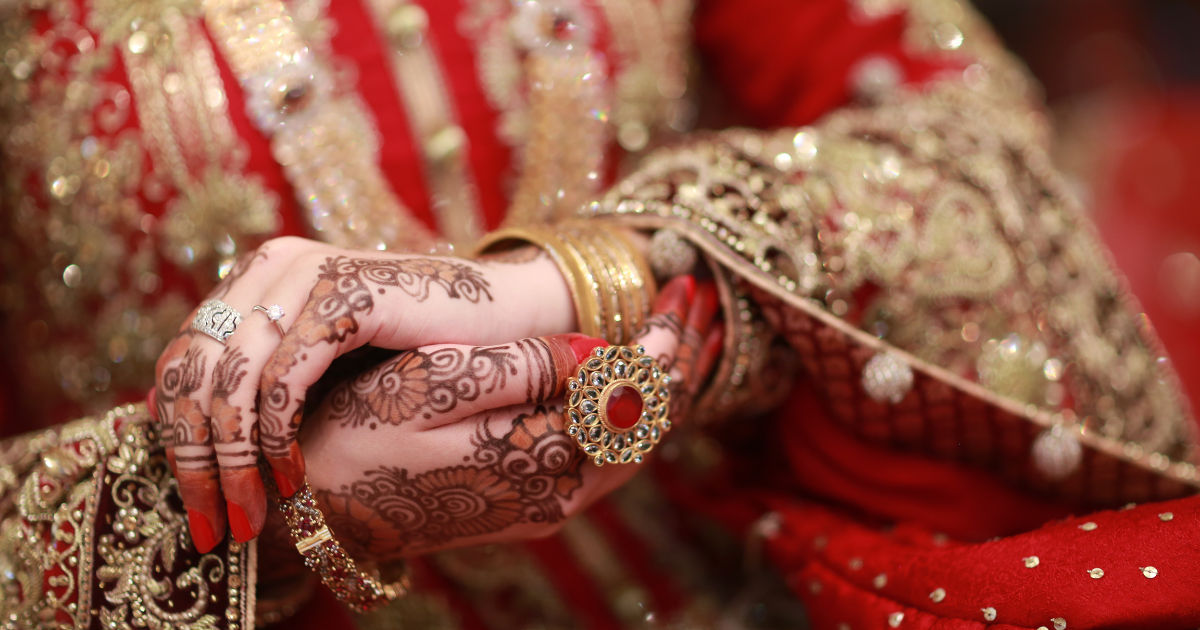
If you are a bride-to-be, exploring the latest trends can help you find the perfect outfit that embodies your personality and heritage.
Over the years, Pakistani bridal dresses have evolved in style, color, and detailing. Today, brides have endless options ranging from traditional lehengas to contemporary gowns. The focus is on making every bride look her best on the most important day of her life.
This guide will walk you through the latest trends in Pakistani bridal dresses, offering inspiration and tips to select the perfect ensemble.
Traditional Embroidery and Craftsmanship
One of the most distinctive features of Pakistani bridal dresses is the intricate embroidery. Designers often use zardozi, gota work, and dabka embroidery to create regal and luxurious patterns. These detailed embellishments add depth and texture to fabrics like silk, chiffon, and velvet.
Brides who appreciate traditional aesthetics often opt for dresses with heavy embroidery on the blouse, sleeves, and dupatta. Modern designers, however, are experimenting by combining traditional embroidery with minimalistic cuts. This blend of old and new creates an elegant look that appeals to contemporary brides.
Popular Fabrics for Pakistani Bridal Dresses
Fabric choice plays a crucial role in enhancing the beauty of Pakistani bridal dresses. Silk, chiffon, organza, and velvet are among the top fabrics used by designers. Silk offers a rich, lustrous look, perfect for formal ceremonies. Chiffon and organza are lighter fabrics, ideal for outdoor weddings or daytime events. Velvet, on the other hand, adds a royal touch and is often used in winter weddings.
Brides are increasingly mixing fabrics to create unique textures and visual appeal. For example, a velvet lehenga paired with a chiffon dupatta adorned with embroidery can create a stunning contrast. Understanding fabric trends helps brides choose outfits that are both stylish and comfortable.
Contemporary Cuts and Styles
While traditional silhouettes remain popular, contemporary cuts are gaining attention among modern Pakistani brides. A-line lehengas, mermaid gowns, and layered skirts are now commonly seen in bridal collections. These styles flatter different body types and provide a modern twist to classic designs.
Designers are also experimenting with high-low hems, asymmetrical cuts, and cape-style dupattas. These innovations add drama and sophistication to bridal looks. Brides who prefer minimalism can opt for straight-cut suits or flowy gowns with subtle embellishments, allowing them to make a statement without excessive ornamentation.
Color Trends in Pakistani Bridal Dresses
Color is a defining factor in Pakistani bridal dresses. Traditionally, red has been the most popular choice, symbolizing love and prosperity. However, contemporary brides are exploring a wider palette including pastel pinks, blush peaches, mint greens, and ivory whites.
Designer collections now feature ombre patterns, metallic shades, and soft gradients, giving brides the freedom to choose a color that resonates with their personal style. Light and pastel shades are ideal for daytime weddings, while jewel tones and deep reds are preferred for evening events. Understanding color trends can help brides select shades that enhance their complexion and wedding theme.
Accessorizing Pakistani Bridal Dresses
Accessories play a crucial role in completing the bridal look. Traditional jewelry such as jhumkas, matha pattis, and necklaces complement the elegance of Pakistani bridal dresses. Designers are now encouraging brides to balance heavy outfits with minimalistic accessories or vice versa.
Footwear, clutches, and hair accessories also contribute to the overall aesthetic. Embellished sandals or heels that match the embroidery can create a cohesive look. Hairpins, tiaras, and floral accessories add charm and elegance, enhancing the bride’s beauty. Proper accessorizing ensures that the outfit looks polished and well-coordinated.
Fusion of Traditional and Modern Elements
One of the most exciting trends in Pakistani bridal dresses is the fusion of traditional and modern elements. Designers are combining classic embroidery with unconventional fabrics, experimenting with bold colors, and introducing innovative silhouettes.
For example, a traditional heavily embroidered lehenga may be paired with a sheer cape or a modern blouse design. This approach allows brides to embrace their cultural heritage while incorporating contemporary fashion trends. Fusion bridal dresses are particularly popular among younger brides who want a stylish yet meaningful outfit for their wedding day.
Regional Influences in Bridal Fashion
Pakistan is a country rich in cultural diversity, and regional influences play a significant role in bridal fashion. Each region has its own distinctive style of embroidery, fabric, and silhouette.
-
Punjab: Known for vibrant colors and heavy embellishments, Punjabi bridal dresses often feature zardozi and gota work.
-
Sindh: Sindhi bridal dresses are famous for mirror work and intricate thread embroidery.
-
Balochistan: Balochi bridal outfits feature bold patterns and colorful handwoven fabrics.
-
Khyber Pakhtunkhwa: Dresses from this region often include geometric designs and traditional stitching techniques.
By incorporating regional styles, brides can celebrate their roots while creating a unique look that stands out.
Sustainable Bridal Fashion Trends
Sustainability is becoming increasingly important in bridal fashion, including Pakistani bridal dresses. Many designers are now focusing on eco-friendly fabrics, ethical sourcing, and reducing waste during production. Brides are encouraged to choose outfits that can be repurposed or customized for other events.
Recycled fabrics, handloom materials, and natural dyes are gaining popularity, offering a sustainable yet luxurious option for conscious brides. Choosing sustainable bridal dresses not only benefits the environment but also supports traditional artisans and craftspeople.
Bridal Dupattas and Their Importance
The dupatta is a crucial element of Pakistani bridal dresses. It adds grace, elegance, and modesty to the bridal ensemble. Dupattas come in various styles, including heavily embroidered, lightly embellished, or sheer fabrics adorned with delicate motifs.
Designers are experimenting with draping techniques, such as capes, overlays, or layered styles, to create dramatic effects. The right dupatta can transform a simple outfit into a breathtaking bridal look, making it one of the most important aspects of Pakistani bridal dresses.
Pakistani Bridal Dresses for Destination Weddings
Destination weddings are becoming more popular, and bridal dresses have adapted to suit different locations and climates. Lightweight fabrics, minimal embroidery, and flowy silhouettes are ideal for beach or outdoor weddings.
Designers are creating versatile outfits that are easy to carry, comfortable to wear, and visually stunning. Brides can choose outfits that reflect the beauty of the destination while maintaining the essence of Pakistani bridal dresses.
Celebrity and Influencer Inspiration
Celebrity weddings often influence trends in Pakistani bridal dresses. Brides frequently look to celebrities and influencers for ideas on colors, cuts, and accessories. Social media platforms showcase a variety of bridal looks, helping brides visualize how certain designs will appear in real life.
Following bridal fashion trends set by celebrities can inspire brides to experiment with new styles, colors, and embellishments. However, it’s important to adapt these trends to personal preferences to ensure the outfit feels unique and authentic.
Mixing Traditional and Contemporary Jewelry
Jewelry trends in Pakistani bridal fashion are evolving alongside dress styles. Traditional sets with intricate details are paired with contemporary pieces, such as chokers or minimalist earrings. This combination adds a modern flair without compromising the cultural essence of the bridal look.
Brides are also experimenting with statement rings, layered necklaces, and embellished hairpieces to complement their Pakistani bridal dresses. The goal is to create a cohesive look that highlights both the outfit and the jewelry without overwhelming either.
Tips for Choosing the Perfect Pakistani Bridal Dress
Choosing the right Pakistani bridal dress involves several factors. Here are some tips to help brides make an informed decision:
-
Consider Your Body Type: Different silhouettes flatter different body shapes. For example, A-line lehengas suit most body types, while mermaid gowns accentuate curves.
-
Choose Comfortable Fabrics: Weddings often last several hours, so comfort is key. Opt for fabrics that feel light and breathable, especially for outdoor or summer weddings.
-
Balance Embellishments: Heavy embroidery can be stunning, but ensure it doesn’t overwhelm your frame. Consider balancing the outfit with simpler accessories.
-
Select the Right Color: Choose a color that complements your skin tone and fits the wedding theme. Don’t hesitate to experiment with modern shades alongside traditional red.
-
Personalize Your Outfit: Customization adds a unique touch. Embroider your initials or include a family motif to make the dress meaningful.
Pakistani Bridal Dresses for Different Wedding Events
Pakistani weddings typically span multiple events, each requiring a different outfit. Designers now create collections catering to various functions, such as:
-
Mehndi: Bright colors, floral embroidery, and lightweight fabrics dominate Mehndi dresses.
-
Nikah: Simpler, elegant designs in pastel shades are preferred for the ceremony.
-
Reception: Glamorous gowns with heavy embellishments, sequins, or metallic embroidery are popular choices for evening receptions.
Having distinct outfits for each event allows brides to showcase versatility while staying stylish throughout the wedding celebrations.
Future Trends in Pakistani Bridal Dresses
The future of Pakistani bridal dresses is exciting, with designers continuously innovating. Expect to see more fusion designs, experimental cuts, and sustainable fashion choices. Technology is also playing a role, with 3D embroidery, laser-cut fabrics, and digitally printed designs gaining popularity.
Brides will have more options than ever to create personalized outfits that blend tradition with modern aesthetics. Pakistani bridal dresses will continue to evolve, offering a perfect balance of cultural heritage, craftsmanship, and contemporary fashion.
Conclusion
Pakistani bridal dresses remain an iconic symbol of culture, elegance, and tradition. Each year, new trends emerge, inspiring brides to embrace unique styles, colors, and fabrics. From traditional embroidery to modern cuts, from pastel shades to jewel tones, the variety of Pakistani bridal dresses ensures every bride can find a look that perfectly reflects her personality and heritage.
With a focus on sustainable fashion, personalized designs, and fusion styles, Pakistani bridal dresses are not just outfits—they are a celebration of artistry, culture, and beauty. By exploring the latest trends, understanding fabrics, embracing regional influences, and balancing accessories, brides can make their wedding day truly unforgettable.
Pakistani bridal dresses are more than fashion—they are a testament to timeless craftsmanship and contemporary elegance. Every stitch, color, and embellishment tells a story, ensuring that each bride shines on her special day.