
Is It Time to Refocus Your Jewelry Casting Approach?
Imagine you’re at the helm of a bustling jewelry manufacturing studio, eager to meet the insatiable demands of the market. Then comes an age-old method: sterling silver castings. The use of this technique can revolutionize efficiency—but are you truly making the most of it? Sterling silver castings define precision and durability, yet many remain ensnared in outdated practices. How might you leverage this to pave the way forward? Let’s delve into the intricacies—set your sights beyond the traditional. Could there be a missing piece to your operational puzzle?
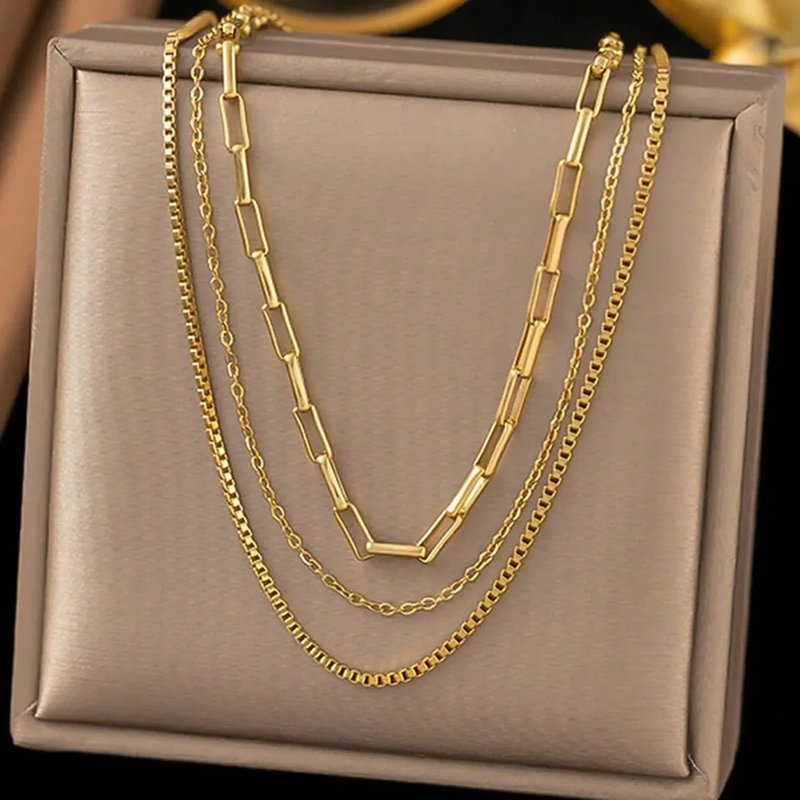
What Lies Beneath: Unveiling Sterling Silver Casting Challenges
Simplicity, on the surface, is striking—look, it’s simpler than you think! Yet, here’s the crux: conventional methods often falter at precision and consistency. Consider how sterling silver castings demand precision in crafting, but fluctuating temperatures and inconsistent alloys lead to imperfections. These aren’t merely aesthetic; structural inconsistencies jeopardize long-term wearability. Further compounding the issue, the reliance on edge computing nodes for operational decisions inadvertently constrains flexibility. Can you afford these hidden sacrifices? Let’s explore some possible remedies.
Why Are We Stuck in the Past?
The hesitance to evolve is rooted in familiarity with tried-and-tested methods—risk aversion often misguides efficiency. Power converters in the processing line introduce inefficiencies through subtle variances, demanding constant recalibration. Isn’t it ironic how minor variables evolve into substantial hindrances? Solutions exist, yet understanding the intricacies of these hurdles is key before transitioning to innovative methodologies.

Embracing New Horizons: The Future of Sterling Silver Castings
Are we ready to take a step toward realignment of principles, shedding legacy constraints? The advent of modern technology—integrated systems and advanced materials—is revolutionizing how sterling silver castings are perceived. Emerging innovations, like 3D printing and advanced simulation techniques, provide forward-looking perspectives that promise enhanced accuracy and efficiency. Sterling silver casting’s evolution is ready for its next leap. Consider this: adaptive machinery now works in tandem with real-time data, reducing discrepancies (funny how that works, right?). Such advancements are not merely dreams—they are today’s reality.
What’s Next for the Industry?
As we transition into this new frontier, sterling silver castings become the benchmark for innovation. The critical question remains: how will brands like Star Harvest adapt and lead? Lessons highlight the necessity of blending traditional expertise with cutting-edge technology. Real-world applications signify brighter prospects for the industry, as long as we embrace change with open arms. The harmonious integration of these elements transforms challenges into opportunities—a future underpinned by stability and creativity.