
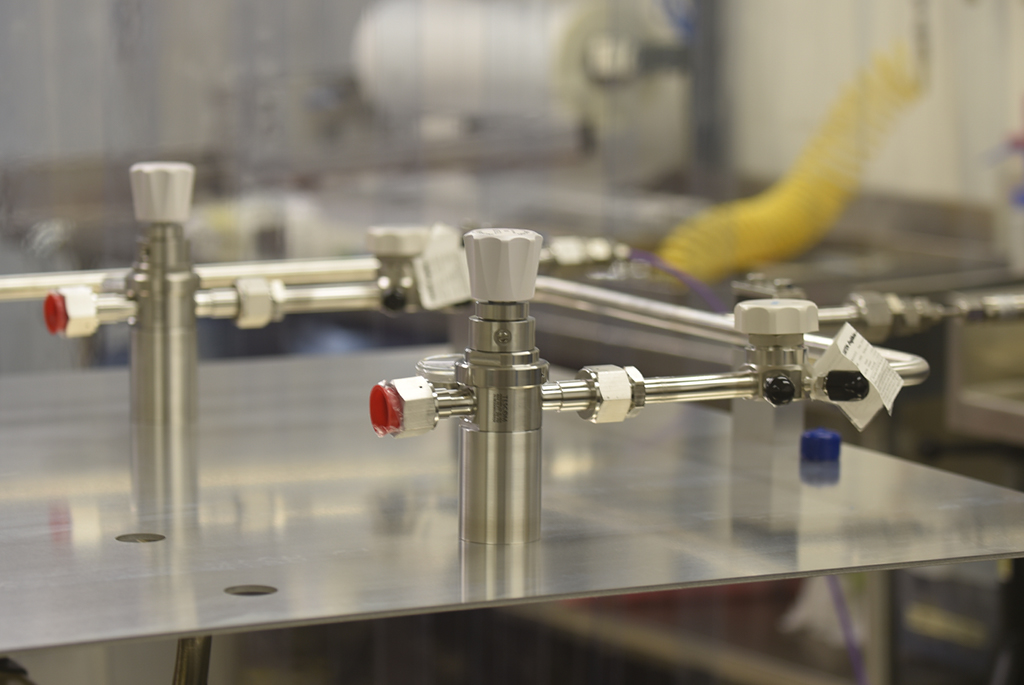
In the industrial landscape, the delivery and handling of gases are critical components in maintaining operational efficiency and safety. Over the years, purity gas delivery systems have undergone a remarkable transformation, driven by technological advancements and a growing demand for precision, safety, and efficiency. Modern purity gas delivery systems not only enhance the overall performance of industrial processes but also ensure that gas handling remains safe, sustainable, and compliant with regulatory standards. This article delves into the innovative technologies and design elements behind modern purity gas delivery systems, highlighting how they have revolutionized both operational efficiency and safety across various industries.
The Evolution of Purity Gas Delivery Systems
Purity gas delivery systems are essential for the controlled distribution of high-purity gases used in industries such as semiconductor manufacturing, healthcare, pharmaceuticals, and food processing. Historically, these systems were rudimentary and often faced challenges in maintaining gas purity, controlling flow rates, and ensuring leak prevention. As industries expanded and the demand for higher purity gases increased, there was a pressing need to develop more sophisticated systems that could meet these stringent requirements.
Over the past few decades, engineers and manufacturers have made significant strides in designing advanced purity gas delivery systems that prioritize both efficiency and safety. Today’s systems feature cutting-edge technology, such as automated controls, sensors, and real-time monitoring, ensuring that gases are delivered under optimal conditions without compromising their purity.
Key Innovations in Modern Purity Gas Delivery Systems
- Advanced Filtration and Contamination Prevention
One of the core challenges in purity gas delivery is ensuring that gases remain uncontaminated during transportation from source to point of use. Modern systems employ multi-stage filtration techniques that eliminate particulates, moisture, and other contaminants from the gas supply. These filtration units are designed to handle a variety of gases, including oxygen, nitrogen, and specialized industrial gases, each of which has different purity requirements. The use of high-efficiency filters, such as activated carbon filters and molecular sieves, ensures that contaminants are removed at the microscopic level, preserving gas purity.
- Automated Control and Monitoring Systems
Automation has played a significant role in improving the efficiency and safety of gas delivery. Modern purity gas systems are equipped with automated control systems that regulate flow rates, pressure levels, and gas composition. These systems are integrated with sensors that constantly monitor gas parameters and adjust settings in real-time to maintain optimal delivery conditions. This automated approach not only increases operational efficiency but also reduces the risk of human error, ensuring that gas deliveries are accurate and consistent.
Moreover, advanced monitoring systems are capable of alerting operators to potential issues, such as leaks or abnormal pressure changes, allowing for quick intervention before a minor issue becomes a safety hazard. This real-time feedback is crucial for industries where any deviation from optimal gas delivery conditions could result in significant safety risks or product defects.
- Leak Detection and Safety Mechanisms
Safety is paramount when dealing with gases, particularly in high-risk environments like laboratories, manufacturing plants, or hospitals. Leak detection technology has advanced to the point where modern purity gas delivery systems can detect even the smallest leaks, significantly reducing the risk of dangerous accidents. Sophisticated leak detection systems use a combination of sensors, ultrasonic technologies, and infrared technology to quickly identify and locate gas leaks, often in real-time.
In addition, modern systems are designed with fail-safe mechanisms that automatically shut off gas flow in the event of a leak or pressure drop, preventing any further risk to both personnel and equipment. These fail-safe mechanisms are often integrated into broader emergency response protocols, which include alarms, automatic shutdown procedures, and remote notifications to ensure that any safety issue is addressed immediately.
- Customization and Scalability
One of the most innovative aspects of modern purity gas delivery systems is their ability to be customized to fit the specific needs of a wide range of industries. Whether it’s a high-purity oxygen delivery system for a hospital or a specialized nitrogen system for a semiconductor cleanroom, manufacturers offer bespoke solutions that can be tailored to meet precise gas purity and volume requirements.
Additionally, these systems are scalable, allowing industries to expand their gas delivery capabilities as demand grows. Modular designs enable easy upgrades, ensuring that the system can evolve with changing operational needs without requiring a complete overhaul.
Impact on Efficiency and Safety
The innovation behind modern purity gas delivery systems has had a profound impact on operational efficiency and safety. By leveraging automation, advanced filtration, and real-time monitoring, these systems reduce the risk of downtime and ensure that gases are delivered under optimal conditions. This increased efficiency translates into cost savings, as less gas is wasted, and fewer errors occur in production processes.
From a safety perspective, the integration of leak detection, automated shutoff valves, and real-time monitoring significantly reduces the likelihood of hazardous situations. In industries where gas purity and safety are critical, such as in medical and pharmaceutical applications, these advancements have been transformative, ensuring that both personnel and products are protected.
Conclusion
Modern purity gas delivery systems represent a significant leap forward in terms of both efficiency and safety. The combination of advanced filtration, automated controls, real-time monitoring, and sophisticated safety mechanisms ensures that gases are delivered with precision and minimal risk. As industries continue to evolve, these innovations will play an increasingly important role in ensuring that gas delivery systems can meet the growing demands for purity, performance, and safety in diverse applications. With ongoing advancements in technology, the future of Ultra High Purity Gas Delivery System s promises even greater reliability, sustainability, and efficiency.