
Eid is a festival that brings joy, family gatherings, and celebrations. One of the most anticipated aspects of Eid is dressing up in stylish and elegant outfits.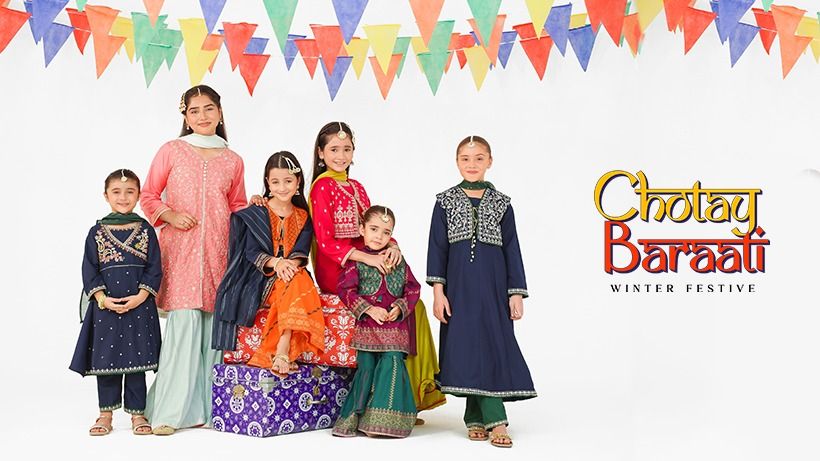
This year, fashion enthusiasts are looking forward to the new eid dress design 2026, which combines traditional elements with modern aesthetics.
These designs reflect cultural heritage while embracing contemporary fashion trends, making them perfect for young and mature women alike.
Fashion trends for Eid have always been influenced by cultural artistry, embroidery styles, fabric choices, and color palettes.
In 2026, designers are paying special attention to maintaining a traditional touch in new eid dress design 2026, ensuring that the essence of tradition is preserved while introducing fresh styles that appeal to the modern wearer.
This comprehensive guide will explore the trends, fabrics, embroidery, colors, and styling tips for new eid dress design 2026, giving you a complete overview of what to expect this festive season.
The Evolution of Eid Dress Design
Eid dresses have evolved significantly over the decades. Traditionally, outfits were simple, made of cotton or silk, and focused on comfort rather than elaborate designs. However, as fashion evolved, designers started incorporating modern cuts, embellishments, and fabric blends.
The new eid dress design 2026 reflects this evolution perfectly. It balances classic embroidery techniques like zari, gota work, and resham thread with contemporary silhouettes such as asymmetrical hems, layered cuts, and fusion wear.
Women today prefer outfits that honor tradition but also make a statement. This is why designers in 2026 are emphasizing the fusion of traditional craftsmanship with modern fashion sensibilities.
Key Elements of Traditional Touch in New Eid Dress Design 2026
When it comes to traditional touches in the new eid dress design 2026, several elements stand out. These elements highlight cultural richness and timeless elegance:
Embroidery and Handwork
One of the most defining features of traditional Eid dresses is intricate embroidery. In 2026, designers are using:
-
Zari and Zardozi Work: Gold and silver threads add a regal touch.
-
Resham Embroidery: Silk threads used to create floral and geometric patterns.
-
Mirror Work: Small mirrors stitched onto fabric for sparkle and shine.
-
Gota Patti: Ribbon-like embroidery for borders and sleeves.
These embroidery styles are often combined with modern cuts to create dresses that look traditional yet contemporary.
Fabric Choices
Fabric selection plays a major role in the traditional appeal of a dress. Popular fabrics in new eid dress design 2026 include:
-
Silk and Raw Silk: Luxurious textures perfect for festive occasions.
-
Chiffon and Georgette: Flowing fabrics ideal for layered or draped designs.
-
Cotton and Linen Blends: Comfortable options for daytime celebrations.
-
Velvet: Used for winter Eid dresses, giving a royal appearance.
Choosing the right fabric enhances both comfort and style, ensuring the traditional designs are wearable and practical.
Color Palettes
Color trends for 2026 are a mix of pastels and jewel tones. Some standout choices include:
-
Soft pastels like mint green, peach, and lavender for subtle elegance.
-
Vibrant hues like royal blue, deep maroon, and emerald green for a rich, traditional feel.
-
Metallic shades like gold, silver, and champagne for festive shimmer.
Combining these colors with embroidery and embellishments ensures the dress stands out while maintaining a traditional essence.
Silhouettes
Traditional silhouettes remain popular but are now adapted with a modern twist. Some common styles in new eid dress design 2026 include:
-
Anarkali Suits: Flowing, floor-length dresses with flared hemlines.
-
Straight-Cut Suits: Elegant, simple lines with detailed embroidery.
-
Sharara and Gharara Sets: Wide-legged pants with short kurtas, often paired with a dupatta.
-
Fusion Gowns: Western-style gowns incorporating traditional embellishments and patterns.
These silhouettes allow wearers to enjoy comfort and mobility while staying stylish and culturally rooted.
Traditional Motifs and Patterns
Motifs play a crucial role in maintaining the traditional essence of Eid dresses. Designers in 2026 are emphasizing motifs inspired by heritage art and culture.
-
Floral Patterns: Roses, lotuses, and other floral designs are embroidered or printed on fabrics.
-
Paisley Motifs: Timeless paisley designs continue to dominate traditional aesthetics.
-
Geometric Patterns: Modern geometric designs fused with embroidery give a contemporary edge.
-
Cultural Symbols: Motifs inspired by local architecture, folk art, or religious symbols add uniqueness.
These motifs not only reflect tradition but also create a storytelling element, making the outfit visually appealing and meaningful.
Accessories to Complement Traditional Eid Dresses
A traditional touch in the new eid dress design 2026 is incomplete without carefully chosen accessories. Accessories enhance the elegance and cultural richness of the outfit.
Jewelry
-
Jhumkas and Chandbalis: Classic earrings that pair beautifully with embroidered dresses.
-
Kundan and Polki Sets: Royal jewelry styles perfect for wedding-style Eid celebrations.
-
Bangles and Bracelets: Matching bangles in gold, silver, or colored enamel enhance overall appeal.
Footwear
-
Embroidered Mojaris or Khussas: Traditional footwear that complements ethnic outfits.
-
Heeled Sandals: For modern fusion styles, elegant heels add sophistication.
Dupatta Styling
The dupatta is an integral part of traditional Eid dresses. In 2026, designers suggest:
-
Draping it over one shoulder for a contemporary twist.
-
Layering it to add volume and movement.
-
Adding embroidered borders or tassels for extra charm.
Trending Styles in New Eid Dress Design 2026
Each year brings new trends that redefine traditional fashion. For 2026, some of the notable trends in new eid dress design 2026 are:
Pastel and Ombre Effects
Pastel colors with gradient or ombre effects are becoming increasingly popular. This subtle use of color adds depth while keeping the outfit light and festive.
Fusion of Western and Eastern Styles
Long dresses with western cuts combined with traditional embroidery or motifs are in demand. This fusion style caters to young audiences who want to maintain a cultural identity while embracing global fashion trends.
Layered and Textured Outfits
Layered kurtas, dupattas with net or lace overlays, and textured fabric designs add volume and elegance, making the outfit stand out in Eid gatherings.
Sustainable Fashion
Sustainable fabrics like organic cotton, handwoven silk, and natural dyes are gaining attention. Many designers in 2026 focus on eco-friendly production while maintaining the charm of traditional aesthetics.
Choosing the Perfect Eid Dress
Selecting the ideal Eid dress depends on personal preferences, occasion, and comfort. Here are some tips for choosing a new eid dress design 2026:
Consider Your Body Type
Different silhouettes suit different body types. For instance:
-
Flared Anarkali suits suit tall and lean body types.
-
Straight-cut suits or fitted gowns complement petite figures.
-
Sharara or gharara sets are great for adding volume and balance.
Match Dress with Occasion
Daytime Eid celebrations often favor lighter fabrics and pastel shades, while evening gatherings allow for rich fabrics, embroidery, and darker tones.
Prioritize Comfort
While intricate designs and heavy embellishments look stunning, comfort is key. Fabrics like chiffon, georgette, and cotton blends ensure ease of movement and comfort during festivities.
Styling Tips for Traditional Touch
To maintain the traditional touch in new eid dress design 2026, consider these styling tips:
-
Pair subtle makeup with bold accessories to keep the focus on the dress.
-
Use hairstyles that complement traditional outfits, like braids, buns, or soft curls.
-
Coordinate colors of shoes and accessories with embroidery for a cohesive look.
-
Avoid over-accessorizing; let the dress and its details shine.
Regional Influences on Eid Dress Design
Regional culture and local craftsmanship influence traditional Eid dress designs. Some examples include:
-
South Asian Influence: Rich embroidery, heavy fabrics, and vibrant colors.
-
Middle Eastern Influence: Flowing gowns, kaftan-inspired designs, and intricate patterns.
-
Local Folk Influence: Handwoven fabrics and tribal motifs bring authenticity.
Designers in 2026 often blend these regional influences to create a truly unique new eid dress design 2026 that appeals to diverse tastes.
Tips for Maintaining Traditional Dresses
Preserving the beauty of traditional Eid dresses requires proper care:
-
Hand wash or dry clean delicate fabrics and embroidered dresses.
-
Store in breathable garment bags to prevent discoloration or damage.
-
Iron carefully on low heat, avoiding direct contact with embroidery.
-
Protect against moths and insects using natural repellents.
Proper maintenance ensures your dresses last for years and can be worn for multiple Eid celebrations.
Conclusion
The new eid dress design 2026 beautifully marries tradition with modern fashion trends. From rich fabrics and intricate embroidery to contemporary silhouettes and fusion styles, these dresses reflect cultural heritage while staying relevant for today’s wearer.
A traditional touch in Eid dress design is not just about aesthetic appeal—it is about celebrating heritage, embracing craftsmanship, and expressing personal style. By choosing the right fabrics, colors, motifs, and accessories, anyone can wear a dress that is both culturally significant and fashion-forward.
Whether you prefer flowing Anarkalis, straight-cut suits, fusion gowns, or elaborate sharara sets, new eid dress design 2026 offers endless options for elegance and celebration. Investing in quality, choosing comfort, and embracing traditional artistry ensures a memorable and stylish Eid.
Celebrate Eid 2026 in style, honor tradition, and let your dress tell a story of elegance, culture, and modern fashion sensibilities.