
Tree care in the ACT is very different from the rest of Australia. Canberra’s unpredictable climate, strong winds, hot summers, frosty winters, and heavy storm seasons all influence how trees grow and how they must be maintained. Among the many services homeowners rely on, tree lopping canberra has become one of the most commonly discussed. Yet, many residents are still unsure about what tree lopping actually means and when it truly becomes necessary.
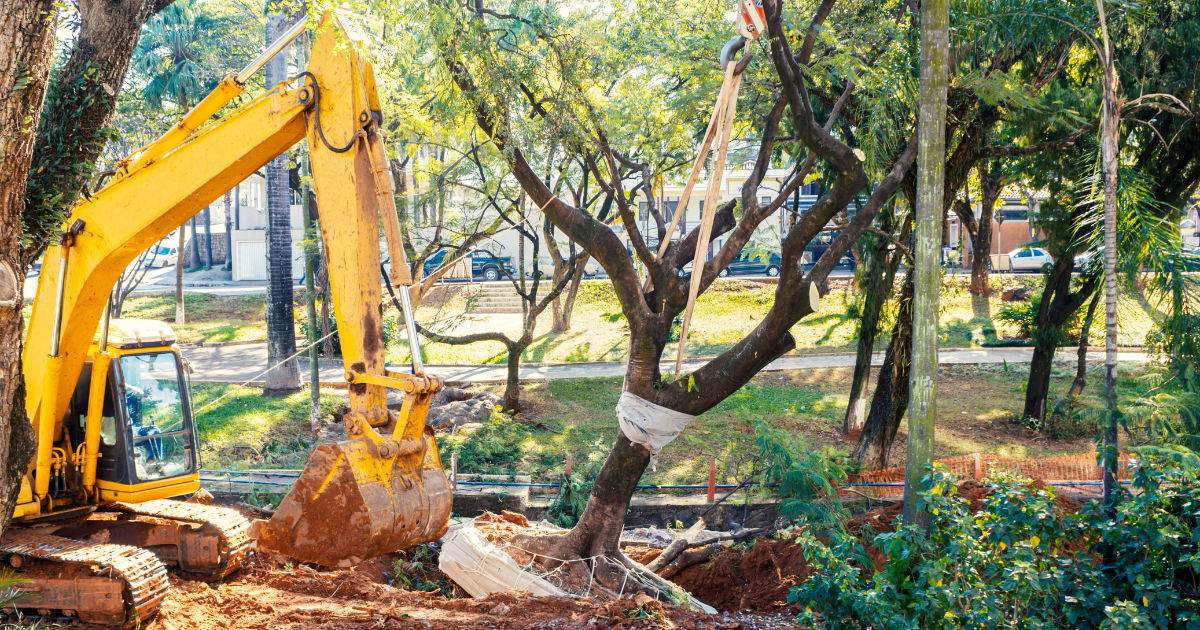
This comprehensive guide will explain everything you need to know about tree lopping canberra—what it is, how it works, why it’s different from pruning, when it's needed, and the risks of doing it incorrectly.
By the end, you’ll understand how tree lopping canberra affects the health of your trees, your property’s safety, and even your legal responsibilities in the ACT.
Tree Lopping
Tree lopping is often misunderstood. Many people confuse it with pruning or trimming, but lopping is its own specific technique with specific outcomes.
What Tree Lopping Actually Means
Tree lopping involves cutting away large sections of a tree, often including major limbs or branches, to reshape or reduce the size of the canopy. In tree lopping canberra services, this approach is sometimes used to control fast-growing trees, prevent interference with powerlines, or reduce storm hazards.
It is a more aggressive form of tree maintenance.
Why Tree Lopping Has a Mixed Reputation
Experts often discourage unnecessary lopping because it can be damaging when done incorrectly. However, tree lopping canberra professionals emphasize that when performed by trained arborists for the right reasons, lopping can help manage dangerous, declining, or structurally unstable trees.
The mixed reputation comes from DIY attempts that harm trees rather than help them.
Tree Lopping vs. Pruning: The Key Differences
Many Canberra residents think lopping and pruning are the same. But the two techniques have different purposes and outcomes.
How Pruning Works
Pruning is a precise, careful method of removing selected parts of a tree. It is focused on improving health, growth, and long-term strength. Pruning stimulates healthy development and reduces future risks.
How Lopping Works
Lopping is more focused on immediate results—reducing size or removing problematic branches quickly. Because tree lopping canberra techniques remove larger sections, they can cause stress to the tree if not done professionally.
Why It Matters
Using the wrong technique can:
-
weaken the tree
-
increase disease risk
-
create long-term structural problems
-
cause rapid regrowth that is harder to manage later
Choosing the right method is essential for healthy, safe trees.
Why Canberra Requires Special Tree Care
Canberra’s environment has unique challenges that make tree lopping canberra services necessary in many cases.
Fast Climatic Shifts
Canberra experiences hot summer temperatures, extreme UV exposure, and sudden storms. These conditions cause many tree species to grow irregularly or become structurally unstable.
Heavy Storm and Wind Seasons
High winds are common in the ACT, especially during late spring and summer. Trees often lose branches, lean dangerously, or become a fall risk. Many homeowners rely on tree lopping canberra services after storms to remove damaged limbs.
Popular Tree Species Grow Quickly
Canberra landscapes feature eucalypts, wattles, conifers, and deciduous exotics. Some grow tall very quickly and can overwhelm small residential yards. Tree lopping canberra helps control these fast-growing species before they become hazardous.
When Tree Lopping Is Needed in Canberra
Tree lopping is not always the first choice, but there are situations where it becomes the responsible and necessary option.
1. When Branches Threaten Powerlines
Across the ACT, many trees sit close to powerlines. If branches grow too near, they can cause outages or fire risks.
Professionals offering tree lopping canberra services often work under strict safety rules to manage these overgrown limbs.
2. When Storm Damage Weakens the Tree
After heavy winds, branches may crack or hang loosely. Weak limbs can fall unexpectedly. Lopping may be needed to remove unsafe sections quickly.
3. When a Tree Becomes Too Large
Some species outgrow their original space. Overhanging branches may reach roofs, fences, or neighbouring properties. In such cases, tree lopping canberra services help reduce the canopy and prevent property damage.
4. When Trees Lean Dangerously
A leaning tree can be a major hazard, especially during storms. Lopping may relieve weight on one side and reduce risk.
5. When a Tree Blocks Sunlight
Large canopies often block natural light from gardens, lawns, and windows. This is a common reason residents ask for tree lopping canberra services.
6. When a Tree Interferes With Structures
Roots, branches, or overgrowth can affect buildings, driveways, solar panels, gutters, or sheds. Controlled lopping helps protect the property.
7. When a Tree Is Diseased or Dying
If sections of the tree are decaying, lopping can remove infected branches and stop the disease from spreading.
The Tree Lopping Process in Canberra
Understanding the steps can help you know what to expect when hiring professionals.
Step 1: Site Inspection
A trained arborist examines the tree, checking for:
-
structural stability
-
disease
-
pest damage
-
branch weight distribution
-
safety hazards
During tree lopping canberra inspections, arborists also determine whether lopping or pruning is the right method.
Step 2: Planning and Safety Setup
Because Canberra trees often grow near homes or fences, safety measures are essential. This includes ropes, harnesses, climbing gear, and sometimes elevated platforms.
Step 3: Selective Removal of Branches
Arborists strategically cut limbs that are heavy, damaged, or unsafe. They avoid leaving large wounds that could weaken the tree.
Step 4: Shaping the Tree
After major branches are removed, the canopy is reshaped to ensure balance and health.
Step 5: Cleanup
Branches are chipped or removed, and the site is cleared. Many tree lopping canberra companies recycle the debris as mulch.
The Risks of DIY Tree Lopping
While some homeowners are tempted to try lopping themselves, the risks are significant.
Risk 1: Severe Injury
Tree work is one of the most dangerous types of outdoor labour. Falls, chainsaw accidents, and branch miscalculations are common causes of injuries. Tree lopping canberra professionals are trained to avoid these hazards.
Risk 2: Property Damage
A misjudged cut can send heavy branches crashing into roofs, cars, or fences.
Risk 3: Tree Death
Incorrect cuts can expose the tree to infection, pests, and structural weakness.
Risk 4: Legal Penalties
Canberra has strict tree protection laws. DIY lopping may violate ACT regulations.
Legal Rules for Tree Lopping in Canberra
The ACT Government protects many trees, especially older or larger ones.
When a Permit Is Required
You may need approval if a tree is:
-
above a certain height
-
heritage-listed
-
part of a protected area
-
within a conservation zone
Before performing tree lopping canberra, homeowners should verify whether their property falls under these rules.
Penalties for Illegal Lopping
Fines can be significant. The ACT government issues penalties when protected trees are harmed without approval.
Hiring certified tree lopping canberra arborists ensures compliance with local regulations.
Benefits of Professional Tree Lopping
When done correctly, lopping provides many benefits.
Improved Safety
Removing dangerous branches reduces the risk of accidents during storms.
Better Light and Airflow
Sunlight can return to your yard, improving garden health and home comfort.
Enhanced Property Appearance
Many residents use tree lopping canberra to shape overgrown trees and restore curb appeal.
Extended Tree Lifespan
Strategic cuts help a stressed or damaged tree recover.
Reduced Fire Risk
Removing heavy branches and dead material lowers fuel load around the property.
Choosing the Right Tree Lopping Service
Selecting qualified professionals is essential for safe and effective results.
Look for Certification
Certified arborists understand tree biology and ACT government rules.
Check Safety Standards
Professionals offering tree lopping canberra must use proper equipment, insurance, and safety procedures.
Ask About Equipment
Reliable companies use ropes, climbing systems, and lifting gear that protect both the tree and surrounding structures.
Read Reviews
Local feedback helps identify trustworthy providers.
Request a Detailed Quote
A clear explanation of costs helps avoid surprises.
How Often Should Tree Lopping Be Done?
Tree lopping is not a routine task. It should only be done when necessary.
Recommended Frequency
Most trees should not be lopped more than once every few years. Excessive lopping can stress the tree.
However, pruning and maintenance trimming can be done annually by a professional tree lopping canberra team to keep growth controlled.
The Impact of Tree Lopping on Tree Health
Tree lopping affects a tree differently depending on how it's carried out.
Positive Outcomes
When performed properly:
-
weight is reduced
-
risk of failure decreases
-
damaged limbs are removed
-
structural balance improves
Negative Outcomes
When done incorrectly:
-
disease can enter wounds
-
rapid, weak regrowth occurs
-
the tree becomes unstable
-
long-term decline may occur
Hiring the right tree lopping canberra professionals helps ensure the positive outcomes outweigh the risks.
Understanding Regrowth After Lopping
A lopped tree often responds quickly with new shoots.
Why Regrowth Happens Rapidly
The tree tries to replace lost branches to restore energy production through leaves.
Why This Can Be Dangerous
The new shoots are often:
-
weakly attached
-
prone to snapping
-
quickly overgrown
This is why tree lopping canberra teams often recommend follow-up maintenance.
Alternatives to Tree Lopping
Sometimes lopping is not the best—or only—solution.
Tree Pruning
A gentler method that improves structure without heavy cuts.
Canopy Thinning
Selective removal to reduce weight and improve airflow.
Canopy Lifting
Raising the lower branches to increase space underneath.
Tree Removal
When the tree is beyond saving, removal may be safer than lopping.
Professional assessment from a tree lopping canberra service helps determine the right choice.
Conclusion
Tree lopping is a powerful tool in tree care, but it must be used wisely. In Canberra’s unique climate, with its powerful winds, unpredictable storms, and fast-growing tree species, lopping often becomes necessary to keep properties safe and well-maintained. However, it should always be done by trained experts who understand the biology of the tree, the structural implications of large cuts, and the legal requirements set by the ACT Government.
Whether you are dealing with storm-damaged branches, oversized canopies, dangerous leaning trees, or overgrowth near powerlines, professional tree lopping canberra services can help restore safety, balance, and beauty to your landscape. With the right guidance and proper techniques, lopping can protect your home, improve your yard, and extend the life of your trees.
Tree care is an investment in both safety and long-term property value. When handled responsibly, tree lopping canberra becomes an essential part of maintaining a healthy, vibrant, and secure environment in the ACT.