
Nicotine pouches have become increasingly popular in recent years as a convenient alternative to traditional smoking and vaping. If you are new to nicotine pouches or are considering switching from other forms of nicotine, it’s important to understand what goes into these products.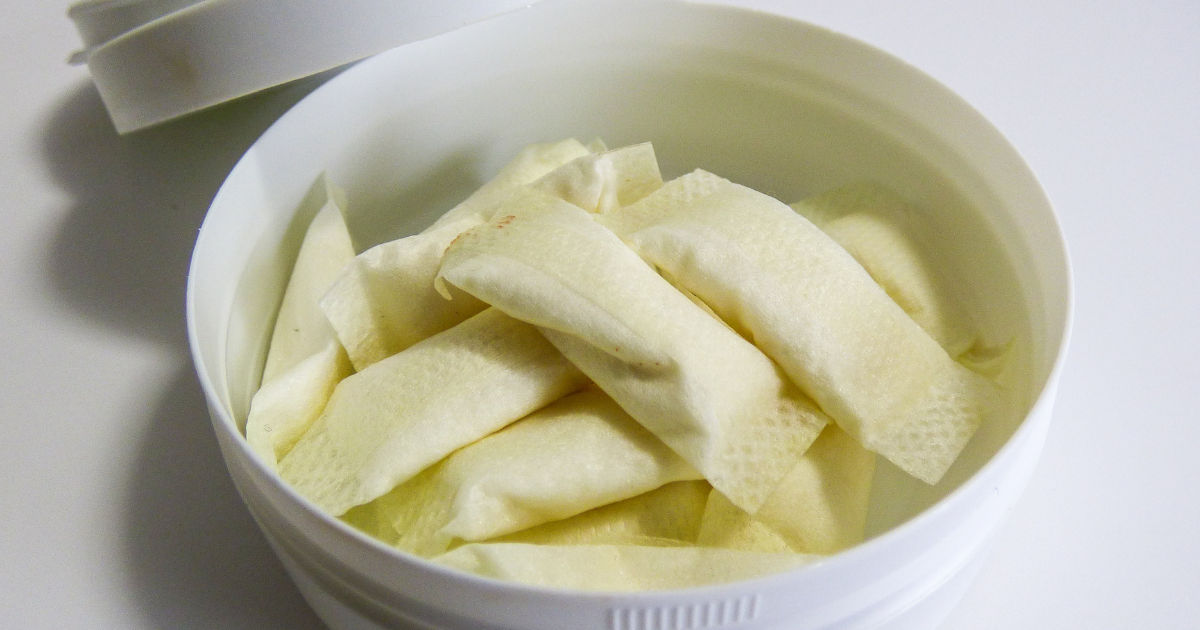
From knowing the basic ingredients to understanding their effects, this guide will help you make informed decisions. By the end, you will also learn how to choose nicotine pouch strength safely for your needs.
What Are Nicotine Pouches?
Nicotine pouches are small, discreet pouches that contain nicotine and other ingredients. They are designed to be placed between the gum and lip, where the nicotine is absorbed through the oral mucosa. Unlike traditional tobacco products, most nicotine pouches do not contain tobacco leaf, making them an appealing option for those looking to avoid smoking or chewing tobacco.
Despite being free from tobacco, nicotine pouches are not without active ingredients. Understanding what’s inside these pouches is crucial for safe use and for managing nicotine intake effectively.
Key Ingredients Found in Nicotine Pouches
Nicotine pouches contain a combination of ingredients that work together to deliver flavor, nicotine, and texture. Here are the primary components:
Nicotine
Nicotine is the active ingredient in these pouches. It’s a stimulant that affects the brain and body, creating the characteristic “buzz” or calming effect that users experience. The nicotine content varies between products, often measured in milligrams per pouch.
The nicotine in pouches can come from two main sources:
-
Synthetic nicotine: Produced in laboratories and chemically identical to natural nicotine.
-
Tobacco-derived nicotine: Extracted from tobacco plants but purified to remove most plant material.
Knowing the nicotine content is essential, which is why learning how to choose nicotine pouch strength is so important. Beginners often start with lower-strength pouches to reduce the risk of side effects like nausea or dizziness.
Plant-based Fibers or Fillers
Most nicotine pouches use plant-based fibers as a base. These fibers provide structure and help the pouch hold moisture and release nicotine gradually. Common fibers include:
-
Cellulose (from wood pulp)
-
Plant gums
-
Starch derivatives
These ingredients are generally safe for oral use and are what give the pouch its soft, teabag-like feel.
Flavorings
Flavorings are added to improve the taste and aroma of nicotine pouches. Popular flavors include mint, citrus, coffee, berry, and more. Flavoring ingredients are typically food-grade, similar to those found in candies or chewing gum.
Some flavorings can be natural, while others are artificial. It’s important to check labels if you have allergies or sensitivities to certain chemicals.
Sweeteners
To enhance taste, nicotine pouches often contain sweeteners. These can be natural, like stevia or xylitol, or artificial, like sucralose. Sweeteners improve user experience by balancing the bitterness of nicotine.
pH Adjusters
Nicotine absorption depends on pH levels. Some pouches contain compounds like sodium carbonate or sodium bicarbonate to maintain an optimal pH, ensuring the nicotine is absorbed efficiently through your mouth.
Moisturizers
Moisture in nicotine pouches is essential for proper nicotine release. Ingredients like glycerin or propylene glycol are commonly used to keep pouches moist and prevent them from drying out.
Understanding Nicotine Strength in Pouches
Nicotine strength is one of the most critical factors for users, and it’s directly linked to the effects and satisfaction you get from a pouch. Strength is usually measured in milligrams per pouch or as a percentage.
Low, Medium, and High Strength Pouches
-
Low Strength (2-4 mg): Ideal for beginners or those with low nicotine tolerance. They provide a mild experience and reduce the risk of side effects.
-
Medium Strength (6-8 mg): Suitable for occasional users or those who want a stronger effect without overdoing it.
-
High Strength (10-12 mg or more): Designed for experienced users or those switching from heavy smoking. High-strength pouches deliver more nicotine quickly, which may increase the risk of side effects if used improperly.
Learning how to choose nicotine pouch strength helps prevent overconsumption, which can lead to nausea, headaches, or dizziness. Many users start low and gradually increase strength as needed.
Factors Affecting Nicotine Absorption
Several factors influence how your body absorbs nicotine from pouches:
-
Placement: Positioning the pouch correctly between your gum and lip ensures better absorption.
-
Duration: Keeping the pouch in place for the recommended time (usually 20–60 minutes) maximizes nicotine delivery.
-
Saliva Production: More saliva can increase nicotine absorption but also dilute flavor and intensity.
Understanding these factors helps users get the desired effect without exceeding their nicotine tolerance.
Common Additives and Their Purpose
In addition to the main ingredients, nicotine pouches often contain minor additives that enhance the product’s performance and safety:
-
Buffering agents: Maintain pH to stabilize nicotine release.
-
Preservatives: Extend shelf life and prevent microbial growth.
-
Anti-caking agents: Ensure the pouch contents remain evenly distributed.
While these additives are generally recognized as safe, it’s important to read labels if you have specific health concerns.
Reading Nicotine Pouch Labels
Being able to read and interpret labels is crucial for understanding what you’re consuming. Most pouches list:
-
Nicotine content
-
Ingredients
-
Flavor
-
Manufacturer information
Some brands also include warnings or instructions on how to choose nicotine pouch strength safely. Make sure to follow these guidelines, especially if you’re new to nicotine products.
Health Considerations
Although nicotine pouches are considered less harmful than smoking, they are not risk-free. Some health considerations include:
-
Addiction: Nicotine is highly addictive, and frequent use can lead to dependence.
-
Oral Health: Extended use may cause gum irritation or dental issues.
-
Side Effects: Headaches, nausea, dizziness, or increased heart rate can occur, especially with higher-strength pouches.
Being aware of ingredients and nicotine strength allows users to minimize these risks while enjoying the product safely.
Comparing Nicotine Pouches to Other Nicotine Products
Nicotine pouches differ from other nicotine products in several ways:
-
Cigarettes: Contain tobacco and produce harmful smoke; nicotine pouches are smokeless and tobacco-free.
-
Chewing Tobacco: Contains actual tobacco leaf and carcinogens; pouches avoid tobacco but still deliver nicotine.
-
Vaping: Delivers nicotine through vapor; pouches do not require a device and are discreet.
Understanding the composition of pouches helps users make healthier choices while still satisfying nicotine cravings.
Tips for First-Time Users
If you’re new to nicotine pouches, follow these tips:
-
Start Low: Choose low-strength pouches and gradually increase if needed.
-
Monitor Effects: Pay attention to how your body reacts.
-
Follow Instructions: Each brand may have specific usage guidelines.
-
Stay Hydrated: Saliva aids absorption, but dehydration can reduce effectiveness.
-
Avoid Overuse: Too many pouches in a short time can lead to side effects.
These tips also reinforce safe practices when learning how to choose nicotine pouch strength.
Common Misconceptions
Many users have misconceptions about nicotine pouches. Let’s clarify a few:
-
“They are completely safe”: While safer than smoking, pouches still contain addictive nicotine.
-
“All pouches taste the same”: Flavorings vary widely, from mint to fruity blends.
-
“High strength is always better”: Using higher-strength pouches without experience can cause adverse effects.
Understanding ingredients and how strength affects the experience helps combat these myths.
Storage and Shelf Life
Proper storage ensures nicotine pouches remain effective and safe to use:
-
Store in a cool, dry place.
-
Keep away from direct sunlight.
-
Ensure pouches are sealed to prevent drying out.
Most pouches have a shelf life of 12–24 months, but this can vary by brand. Check packaging for expiration dates.
Conclusion
Nicotine pouches are an innovative alternative to traditional tobacco products, offering convenience, discreet use, and variety in flavors and strengths. Understanding the ingredients inside these pouches is crucial for safe use. From nicotine and plant-based fibers to flavorings, sweeteners, and pH adjusters, each component serves a specific purpose in delivering an enjoyable experience.
Knowing how to choose nicotine pouch strength is essential for beginners and experienced users alike. Starting with lower-strength pouches and gradually adjusting based on tolerance helps minimize side effects and ensures a positive experience.
By reading labels, understanding ingredients, and following usage guidelines, users can enjoy nicotine pouches responsibly while maintaining awareness of potential risks. Whether you are switching from smoking, vaping, or chewing tobacco, this knowledge empowers you to make informed decisions about your nicotine intake.
Ultimately, nicotine pouches offer a safer, controlled way to consume nicotine, provided users take the time to understand what’s inside, how it works, and how to use it responsibly.